
 English
  Korean
  French
  German
  Hungarian
  Japanese
  Russian
Why Topfeel’s Dual Zipper Makeup Bag Beats Regular Pouches
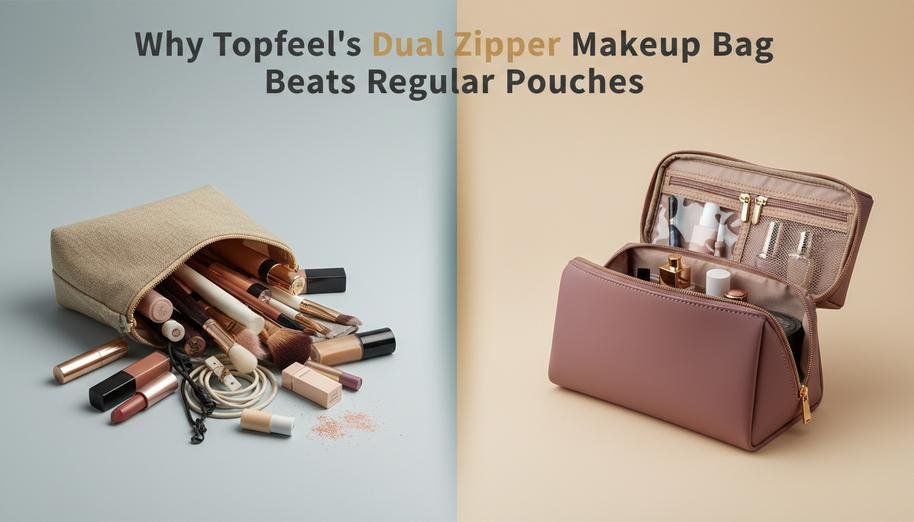
If you’ve ever opened a standard cosmetic pouch and watched half your products roll out onto the sink, you already know the problem: one zipper, one cavity, everything stacked on top of everything else. For retail buyers and beauty brands, that translates into a very familiar cycle-pretty pouch, poor organization, and a product that rarely becomes a “favorite” in daily use.
Dual zipper makeup bags approach the problem differently. Instead of one opening and one undivided space, they split the storage into two structured zones, usually with a flap or panel between them. On paper this sounds like a small change. In real life, it completely changes how people pack, unpack, and perceive the value of the bag.
Using Topfeel’s dual zipper makeup bag as a reference, let’s look at how this structure compares with regular cosmetic pouches from common OEM suppliers.
1. One Opening vs. Two: How Structure Changes Everyday Use
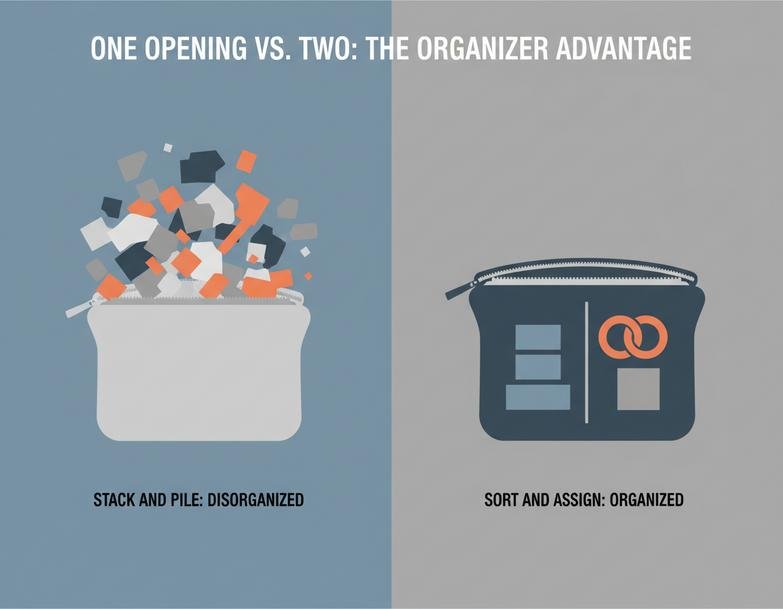
Most regular pouches on the market are built around a single zipper track:
- One zip along the top
- One “bucket” inside
- Maybe one small slip pocket, often ignored
It’s cheap and simple to sew, which is why many low-cost factories favor it. But once customers start adding foundation, palettes, lipsticks, mini skincare and brushes, everything competes for the same space.
A dual zipper design changes that layout:
- Two zippers, often mirroring each other
- A flap or central panel dividing the interior
Each side can be assigned a different role: tools vs. liquids, daily essentials vs. extras
In practice, users don’t have to dig through a pile. They know exactly “which side” their brushes, lipsticks, or travel bottles live on.
Quick comparison
| Aspect | Single Zipper Pouch | Dual Zipper Makeup Bag |
|---|---|---|
| Openings | 1 top opening | 2 separate openings |
| Inside structure | One big cavity | Two sections, often with pockets/loops |
| Packing style | Stack and pile | Sort and assign |
| Typical price focus | Lowest possible cost | Balance of function + perceived value |
For a buyer, this means the dual zipper version can honestly be positioned as an organizer, not just a soft container.
2. Organization: Real Separation, Not Just Marketing
If you look at many generic pouches from mass OEM suppliers, you’ll find “multi-functional” printed in the description, but inside there’s barely a divider. Two pockets don’t fix an overloaded cavity.
A proper dual zipper bag solves the core issues:
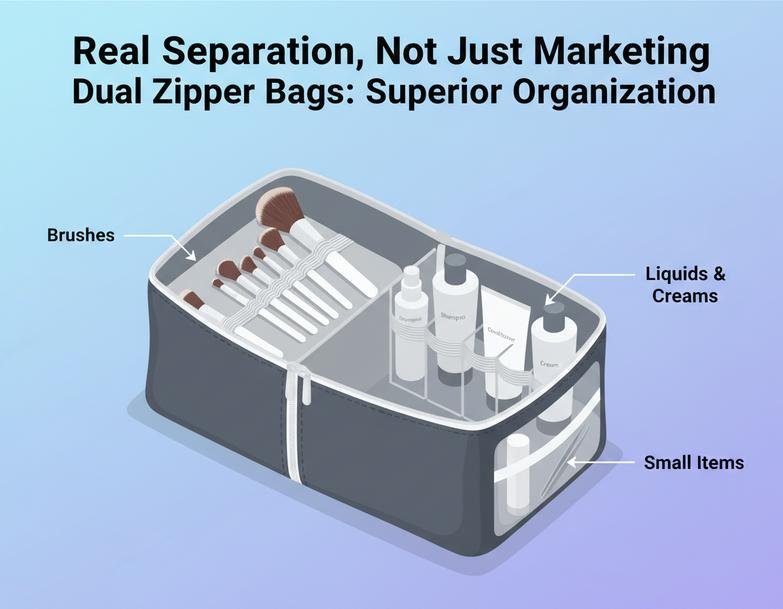
- Brushes can be stored flat on one side, held by elastic loops or behind a mesh pocket.
- Liquids and creams stay on the other side, reducing the chance that residue from bottles ends up on brush bristles.
- Small items like lip balm, tweezers, and cotton swabs get their own corner, instead of sinking to the bottom.
With Topfeel’s dual zipper layout, brands can even specify which side carries what: one side optimized for color cosmetics (palettes, lipsticks), the other side for skincare or tools. That kind of intentional separation is very hard to achieve with a basic single-zipper pouch without making it bulky or awkward.
3. Speed and Comfort in Daily Use
On a busy morning or during a quick touch-up in a restroom, how fast someone finds their powder or lipstick matters more than most people admit.
With a single zipper pouch:
- You unzip,
- You push things aside,
- You rely on memory and luck.
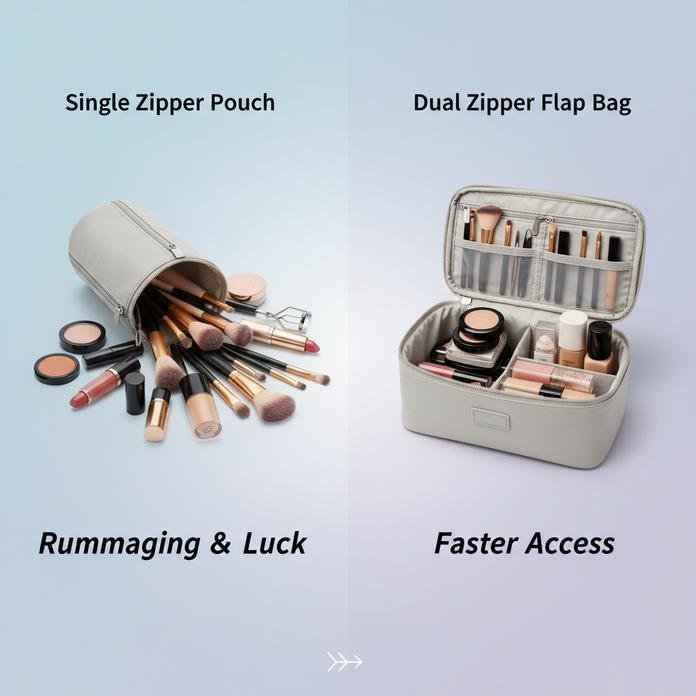
With a dual zipper flap bag:
- You open the “tools side” when you want a brush or liner.
- You open the “base side” when you need foundation, compact, or concealer.
That reduces rummaging and makes the user feel like the bag is working with them instead of against them. For brands, this also quietly reduces the feeling that the pouch is “cheap” or badly thought out.
4. Construction: Where Topfeel Stands Apart
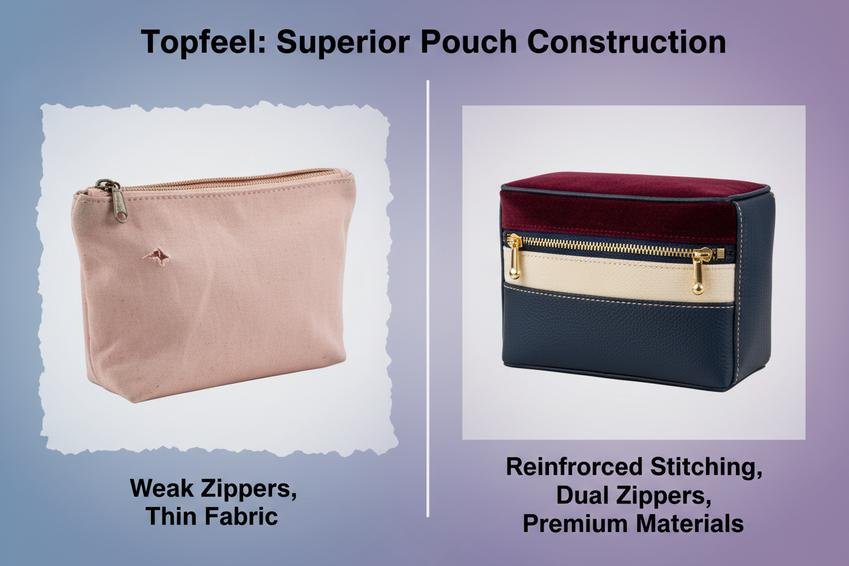
Many regular cosmetic pouches on the market are built with:
- Thin outer fabric (low-gsm polyester or basic PVC)
- Unlined or loosely lined interiors
- Lightweight zippers that feel rough or catch at corners
They may look acceptable in photos, but when customers start using them every day, the weaknesses show up quickly: warped edges, popped seams, stuck sliders.
Topfeel takes a different route with its dual zipper makeup bag construction:
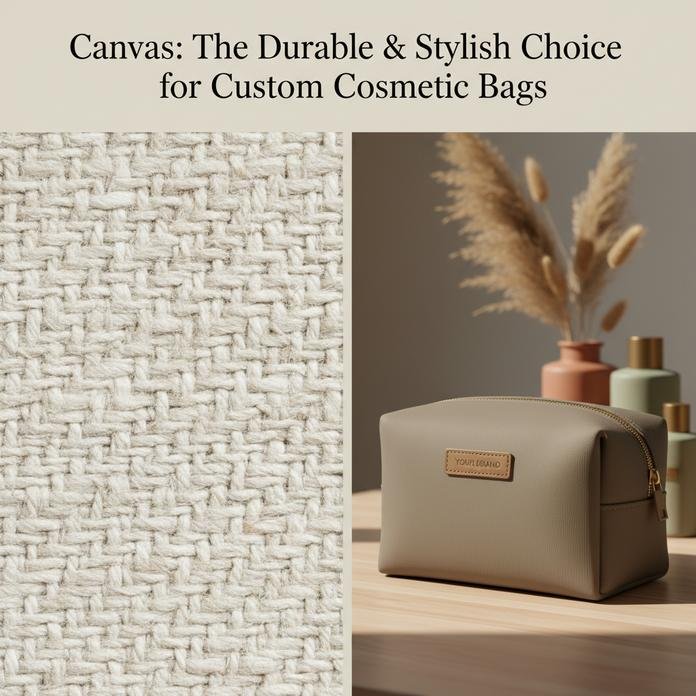
- Outer material can be PU, canvas, velvet, recycled fabric or mixed materials, chosen according to the brand’s positioning.
- Lining is usually a denser polyester or similar material that can handle friction from compacts and brush handles.
- Stitching at stress points (zipper ends, flap hinge, side seams) is reinforced rather than simply closed.
- Zippers are selected for smoother pull and better track stability, especially important because there are two of them sharing the workload.
Because cosmetic bags are handled dozens of times a week, this upgraded construction matters. Retailers and beauty brands see fewer warranty issues and fewer complaints about “zipper broke after two weeks.”
5. Material and Finish: Dual Zipper as a Design Platform
A dual zipper format doesn’t have to look technical or heavy. It can still be playful, minimal, or premium depending on the surface.
A lot of generic pouches from other suppliers rely on:
- Single-tone polyester
- Thin, shiny PU that creases quickly
- PVC with little texture or depth
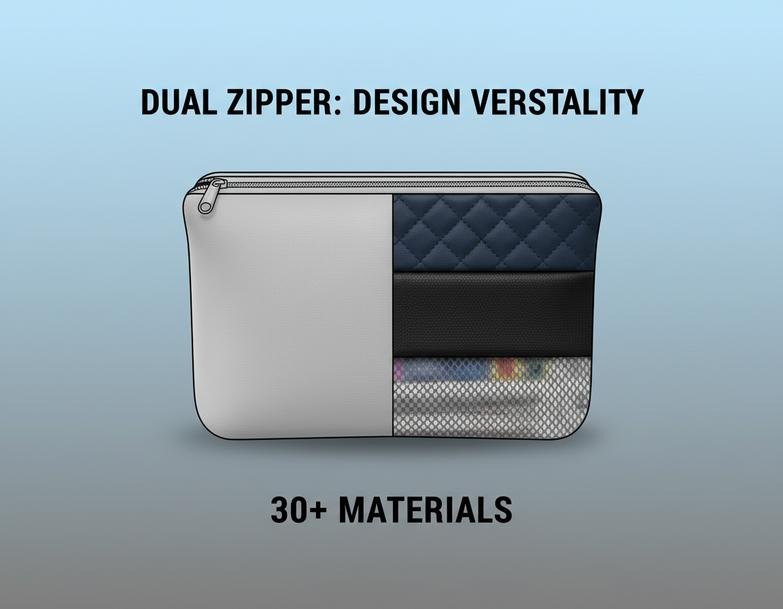
Topfeel’s approach is to treat the dual zipper bag as a base, and then layer materials and finishes that match the brand:
- Quilted PU for a softer, more fashion-forward style
- Color-block panels for young, summer-themed collections
- Matte or pebbled textures for skincare or spa-style lines
- Optional transparent or mesh sections if visibility is important
Because Topfeel works with 30+ materials-including leather, mesh, cotton, velvet, quilted fabrics, canvas, PVC, and recycled options-brands aren’t locked into a single look. The same dual zipper pattern can be developed into several identities across different product lines or seasons.
6. Real Wholesale Advantages: Beyond “Looks Different”
From a B2B perspective, a dual zipper bag must justify its place beyond the novelty factor. Compared with regular pouches, it offers several tangible advantages:
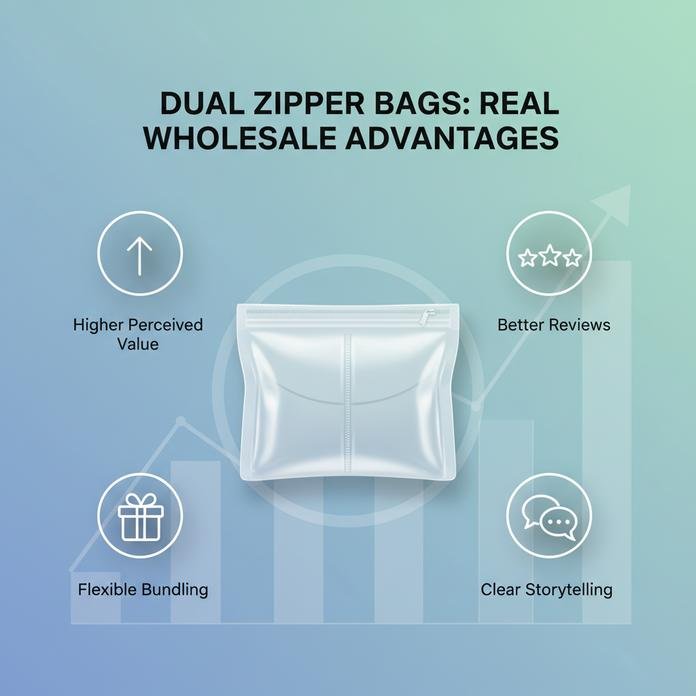
- Higher perceived value – Two zippers, more structure, and better organization make it easier to position as a gift-with-purchase, limited set, or upgrade option.
- Clear storytelling – You can market it as “two sides, two routines” (day/night, skincare/makeup, home/travel).
- Better reviews – End users are more likely to keep using a bag that actually sorts their routine, which keeps your logo in circulation longer.
- Flexible bundling – Dual zipper organizers work nicely in both retail sets and subscription boxes where curation and neat presentation matter.
When comparing offers from different suppliers, many buyers discover that the price difference between a basic pouch and a dual zipper bag is smaller than expected-especially once material and finishing are matched. The extra use value often outweighs the cost gap.
7. Where Topfeel Fits Among Other Suppliers
There are many factories that can sew a dual zipper if you send them a sample photo. The difference is what happens before and after that step.
Topfeel’s strength lies in combining:
- Dual zipper pattern know-how (how big each side should be, flap width, hinge strength)
- Material pairing (outer shell vs. lining vs. zipper tape)
- Brand-tailored details (pullers, logo position, inside color, contrast piping)
For brands that already tried generic pouches from anonymous OEMs and ran into inconsistency between samples and bulk, Topfeel’s structured development process-mockup, sample, pre-production check, clear specs on stitching and materials-usually feels calmer and more predictable.
At the same time, Topfeel doesn’t ignore what the rest of the market is doing. Many projects start by comparing existing bestsellers from other suppliers (for example, simple single-zipper PVC bags or soft polyester pouches) and then intentionally upgrading the structure, lining, and material choices so that the final dual zipper bag has a clear edge in both function and appearance.
Final Thoughts
Regular cosmetic pouches will always have their place. They’re simple, cheap, and easy to produce. But for brands that want their bags to be used daily-not just stored in a drawer-structure and construction matter.
A dual zipper makeup bag:
- Separates items instead of piling them together
- Speeds up access in real-life situations
- Handles wear and tear more gracefully when built with the right materials
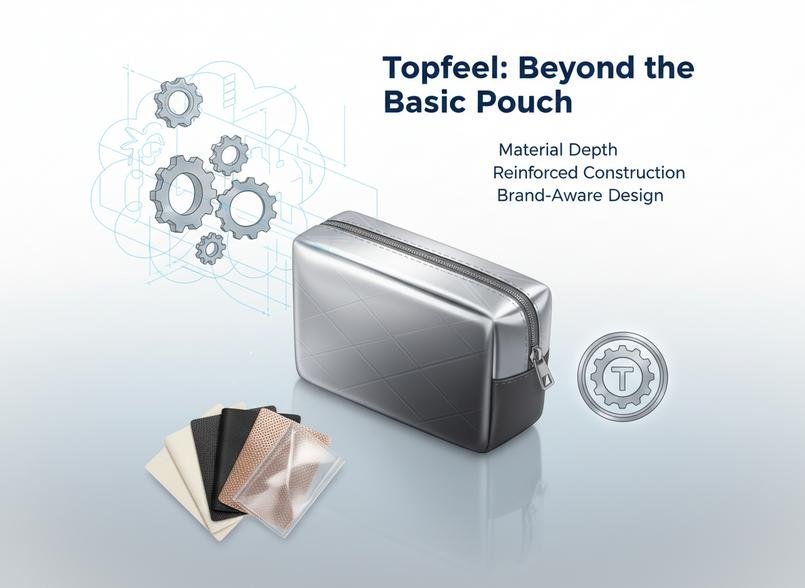
What makes Topfeel’s version stand out is not just the second zipper; it’s the way the company brings material depth, reinforced construction, and brand-aware design into that format.
For beauty labels and retailers looking to move from “just another pouch” to a recognizable, useful cosmetic organizer, that difference is often what turns a simple accessory into a long-term part of the brand story.




.png)



4th-5th Floor, Building B2, Yin Tian Industrial Park, Xi Xiang Road, Bao'an Dist, Shenzhen, 518102 ,China