
 English
  Korean
  French
  German
  Japanese
  Russian
How to Accurately Measure the Dimensions of a Handbag
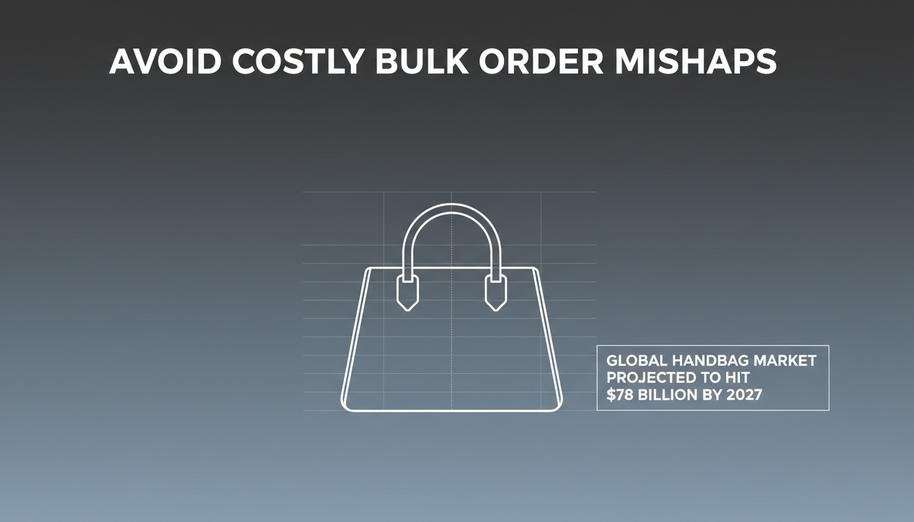
Ever had a bulk order of custom bags show up—and none of them fit your product line? Yeah, that headache usually starts with one tiny oversight: not nailing the exact dimensions of a handbag. Half an inch off may not sound like much until your lipsticks don’t fit or the lining puckers like bad takeout foil. For brands dealing in thousands, those “almost-right” sizes turn into expensive paperweights.
“The global handbag market is projected to hit $78 billion by 2027,” reports Grand View Research—proof that precision isn’t just nice, it’s necessary. Bag buyers aren’t shopping for fashion flukes; they want consistency, function, and something that actually holds stuff without being bulky or limp.
This quick guide strips out guesswork and gives you pro-level clarity so you can spec every handbag right the first time—no drama, no do-overs.
Essential Insights on the Dimensions of a Handbag
➔ Measuring Tools: Use flexible measuring tapes for overall dimensions, while digital calipers offer accuracy for detailed measurements.
➔ Key Measurement Steps: Always prepare the handbag, measure length and width accurately, gauge depth, and document all measurements for reference.
➔ Common Pitfalls: Don’t overlook the handle length, and remember that different bag shapes require unique measuring approaches.
➔ Choosing Size: Consider practical dimensions for daily use, and evaluate capacity needs, especially for travel bags.
➔ Importance of Precision: Accurate dimensions of a handbag are crucial to prevent costly mistakes and ensure a perfect fit for your products.
Essential Tools for Measuring Handbag Dimensions
Getting the right tools makes all the difference when you’re trying to nail down the dimensions of a handbag—length, width, and everything in between.
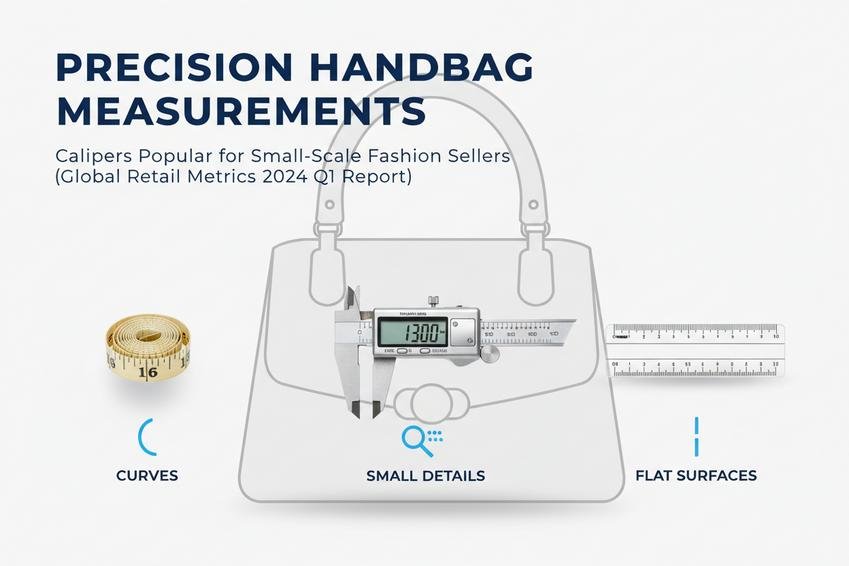
Measuring Tape: The Best Tool for Precision
• Flexible fit: A measuring tape hugs curves and contours, letting you measure around zippers, seams, and handles without missing a beat.
• Compact and portable: Toss it into your bag or drawer—it’s always ready when you need it.
• Great for all materials: Whether your handbag’s made of leather, canvas, or synthetic fabric, a soft fabric tape won’t scratch or stretch it.
• Length-friendly: It easily measures large bags too—no awkward folding like with rigid tools.
• Accurate readings: You get consistent results on both flat and rounded surfaces, making it ideal for capturing true handbag sizing.
If you’re serious about tracking the exact size specs—like base width or strap drop—a good old flexible tape is still king.
Digital Calipers: A Tech-Savvy Alternative
Want to go high-tech with your handbag measuring game? That’s where digital calipers step in:
- Use them to check small gaps like zipper openings or hardware thickness.
- Flip between metric and imperial units with just one click on the LCD screen.
- Measure both internal compartments and external edges with pinpoint precision.
- Smooth sliding arms make sure you’re not squishing delicate trims during measurement.
“Precision tools like electronic calipers are becoming increasingly popular among small-scale fashion sellers,” says Global Retail Metrics’ 2024 Q1 Accessories Report. These gadgets give you millimeter-level accuracy when measuring those tricky parts of a bag—not bad if you’re listing items online or comparing models side by side.
And while they’re more niche than a standard tape measure, calipers can be surprisingly handy if you’re obsessed with exactness in every corner of your favorite tote.
Ruler vs. Measuring Tape: Which is More Effective
▪️ Want to measure the flat bottom of a structured satchel? Go with a solid-edge ruler—it keeps things straight and steady across hard surfaces.
▪️ Need to wrap around curved corners or check strap length? Only a flexible tool like a soft measuring tape can handle those curves without distorting measurements.
▪️ For quick checks at home, rulers work fine—but if you’re selling handbags online where exact data matters, tapes win hands-down every time.
▪️ Both tools have their place depending on what part of the handbag you’re sizing up—the trick is knowing when each one shines best.
Whether you’re checking purse depth before buying online or verifying dimensions before reselling vintage finds, having both options nearby saves time—and frustration.
So yeah, while Topfeel swears by digital accuracy in its own product lineups, even they’ll tell you that sometimes nothing beats wrapping that trusty tape around your go-to carryall just to double-check its real-world feel.
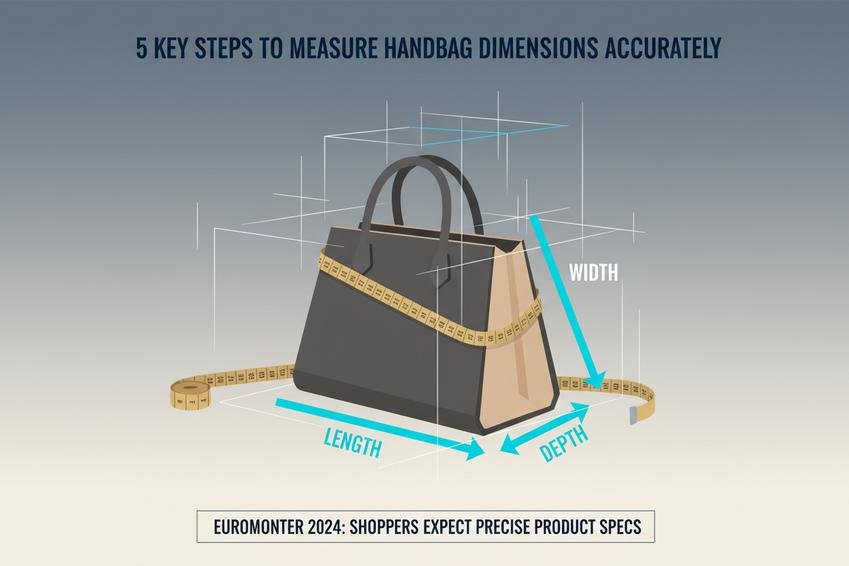
4 Key Steps to Measure Handbag Dimensions Accurately
Getting the dimensions of a handbag right is more than just pulling out a ruler. Let’s break it down into easy, practical steps.
Step 1: Preparing the Handbag for Measurement
• Empty out the bag completely—no gum wrappers, lipsticks, or receipts hiding inside. • Unzip all compartments and loosen up any tight zippers to avoid distortion. • Lay it flat on a clean, even surface, and make sure all straps are tucked away neatly.
This gets your handbag ready for precise measurement without bulges or slouching messing up the numbers.
Step 2: Measuring Length and Width Properly
- Take a flexible measuring tape—the kind tailors use works best.
- Measure the length from one end of the base to the other at its longest point.
- Then measure the width across the front at its widest section—usually near the middle.
The trick? Keep that tape snug but not stretched, and always measure horizontally for consistent results when capturing handbag dimensions.
Step 3: Determining the Depth of the Handbag
★ Flip your bag sideways so you can see its full side profile clearly. ★ Place your measuring tool vertically from bottom to top edge; this gives you accurate depth data. ★ Don’t forget to include any structured base padding—it adds real bulk!
Depth isn’t just about looks—it affects how much stuff you can cram in without bursting seams.
Step 4: Documenting Your Measurements Effectively
According to Euromonitor’s 2024 Accessories Outlook, “Shoppers now expect precise product specs before purchase—including detailed dimension listings.” That means sloppy notes won’t cut it anymore.
Break it down like this:
- Write down each measurement with units (inches or centimeters).
- Use quick sketches or phone pics showing where each number was taken from—include arrows!
- Keep records consistent if comparing multiple bags later on.
If you’re sizing up options or listing your own bag online, precise product specs here make all the difference—and Topfeel knows that better than anyone when designing their versatile lines.
By following these simple but essential techniques, you’ll be able to confidently assess every aspect of handbag size—from depth to width—and never misjudge storage space again when evaluating those stylish accessories.
Common Mistakes When Measuring Handbag Dimensions
Measuring the dimensions of a handbag seems simple, but these two overlooked details can throw everything off. Let’s break them down.
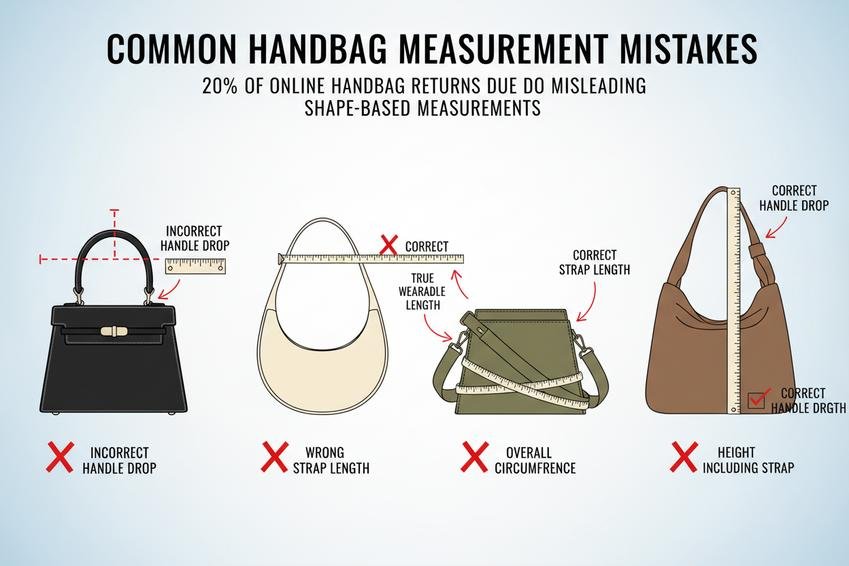
Overlooking the Handle Length
Missing out on the handle measurement? That’s where things go sideways. Here’s what usually gets skipped:
- Handle drop isn’t just extra leather—it affects how low a bag hangs when worn.
- Skipping the strap length gives false height readings, especially for shoulder bags.
- People often confuse handle height with overall bag height—two very different numbers.
- Adjustable straps? Yeah, they change the game. Measure at both extremes to be safe.
- A top-handle tote will look tiny if you forget to include its handle in total length.
- Crossbody styles depend heavily on strap measurement for proper wearability metrics.
- Retail listings that exclude handle specs tend to get more returns due to size confusion.
Always factor in every inch of that handle, whether it’s rigid, adjustable, or removable. It directly impacts how users perceive the bag’s size and function.
Ignoring Bag Shape Variations
Bag shapes aren’t just about style—they mess with measurements big time. You’ve got to adapt your approach:
• Round bags don’t play by rectangle rules—measuring width alone doesn’t cut it.
- A crescent-shaped shoulder bag might seem wide but lacks usable internal space due to its curved form.
- Trapezoid totes widen at the top; measuring only at their base is misleading.
Slouchy hobo bags collapse under their own weight, making flat-surface dimensions totally inaccurate.
According to a 2024 report from Global Accessories Insight, “Misleading shape-based measurements contribute to over 20% of online handbag returns.”
So next time you’re sizing up a new purse, consider its actual structure, not just flat dimensions. A stiff rectangular satchel and a soft bucket bag with identical base sizes will function—and feel—completely different once worn or filled up.
Recognizing these subtle shape differences ensures your measurement reflects both visual scale and practical use—key factors when understanding real-world dimensions of a handbag.
How to Choose the Right Handbag Size: Dimensions Explained
Choosing the right handbag size isn’t rocket science—it’s about matching your lifestyle with what you carry every day. Let’s break down how to make those dimensions work for you.
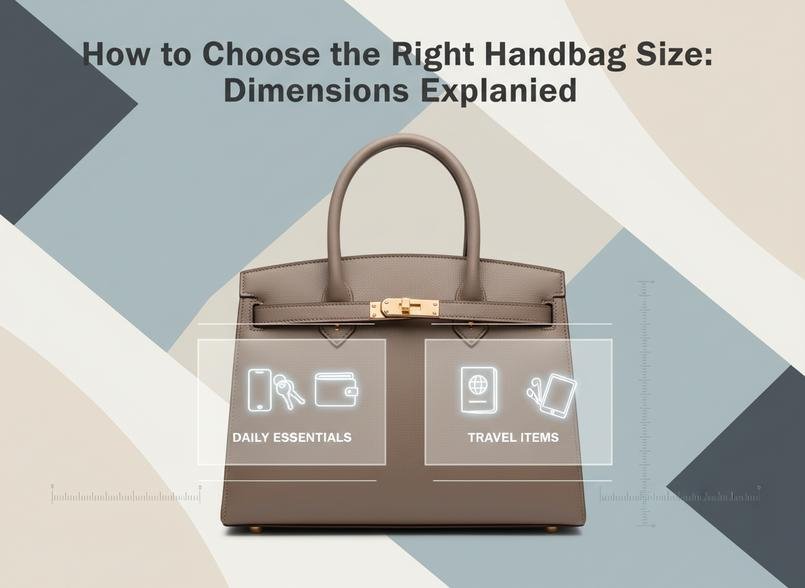
Understanding Dimensions for Everyday Use
Picking a bag for daily use? Make sure it handles your essentials without turning into a black hole.
- A good everyday bag should comfortably fit:
- Your phone, wallet, and keys
- A small makeup pouch or hand sanitizer
- Sunglasses or a compact umbrella
- Medium-sized totes often strike the best balance between style and utility.
- Look at the shoulder drop—too short and it’ll dig in, too long and it swings awkwardly.
- Cross-check the dimensions of a handbag with your torso length so it doesn’t look oversized.
- Crossbody styles are great for hands-free days; just ensure that crossbody bag straps are adjustable.
Remember, if you’re constantly digging to find things, it’s probably too big or poorly organized. The right size should hug your body without feeling bulky—and still hold your must-haves with ease.
Comparing Dimension Requirements for Travel Bags
Travel bags are a whole different story—think bigger but smarter. You want space, but not suitcase-level bulk.
- For weekend getaways:
- Go for a roomy duffel bag or structured weekend bag
- Look at models with wide openings and solid base panels
- If you’re flying:
- Check airline rules for what counts as a personal item
- Most carriers allow bags under 18″ x 14″ x 8″
- Prioritize features like:
- Expandable compartments
- Exterior pockets for passports or chargers
- Don’t forget interior flexibility—a smart layout beats raw volume every time
Whether you’re packing light or hauling gear, always match the dimensions of a handbag to both your trip length and what you actually need—not what you think you might need.
Size vs. Capacity: What Matters More?
Size can be deceiving—what looks big outside might not hold much inside if it’s poorly designed.
⮞ External measurements give you an idea of footprint ⮞ But internal storage space, shape, and structure define real-world usage ⮞ A boxy silhouette may offer more usable room than a slouchy hobo
Now think about how you use your bag:
• Do you carry tech gadgets? Then internal padding matters more than width • Need daily organization? Seek multiple compartments over one big cavity • Prefer minimalism? A smaller bag with clever layout wins
The key is finding functionality in proportion—not just chasing inches on paper. Brands like Topfeel design bags that maximize both form and function, making even compact styles feel spacious inside.
So when weighing up capacity versus size in any handbag decision, focus less on numbers alone—and more on how well those numbers translate into actual usability based on your personal habits, especially when evaluating accessories.
FAQs about Dimensions of a Handbag
1. Why do precise handbag dimensions matter in bulk cosmetic bag orders?
A small shift in size can turn a perfect fit into frustration. When dozens—or thousands—are being produced, exact measurements keep every piece aligned with the promise made to clients. It’s about honoring expectations and avoiding costly mix-ups that ripple through packaging, shipping, and trust itself.
2. Which measuring tools catch the true shape before samples are made?
The right tool feels like an artist’s brush:
- Flexible measuring tape wraps around curves gracefully
- Digital calipers capture tiny details without guessing
- A steady ruler gives straight edges their certainty
Each tool speaks its own language; choosing wisely means your design sings from blueprint to reality.
3. How do you measure depth so it reflects actual storage space?
Place the bag flat yet breathing—no stretching, no squeezing. Slide your tape from base to top edge as if uncovering its inner secret capacity; this is where utility hides beyond outward beauty.
4. Do handle lengths count in listed handbag dimensions?
Handles are more than decoration—they change how a bag lives in someone’s hand or hangs by their side. While standard charts often skip them, noting handle length separately ensures height charts tell the whole story for display and comfort alike.
5. What mistakes quietly spoil dimension records during mass production?
Missteps whisper loudly later: forgetting handles entirely, treating curvy designs like boxes, swapping tools mid-measuring spree so results shift between workers—these avoidable flaws chip away at consistency and customer delight.
6. How does documenting dimensions lift large custom projects?
It works like a shared memory across teams—factories follow precise notes instead of interpretations; prototypes stand beside final runs without contradiction; quality control becomes less of a battle and more of an agreement everyone can see on paper—and match by touch.
References
- Bag measurements in the industry: how to interpret them correctly – Inviker
- Global Handbag Market Size & Outlook – Grand View Research
- All About Tape Measure for Sewing – Ageberry
- How to use Digital Calipers (The Right Way) – The Geek Pub
- Fashion Accessories Market: Global Industry Analysis – Maximize Market Research
- How to Choose the Right Zipper for Your Handbags – Szoneier
- The Complete Guide to Bags Manufacturing – Italian Artisan
- Global Shifts, Local Wins: Competing in the Personal Accessories Market – Euromonitor
- The Role of Product Specs in Quality and Customer Satisfaction – Helio
- Measuring Bag Handle Openings – Batch Studio
- Luxury Handbag Market Size, Competitors & Forecast – Research and Markets
- Tote Bag vs Satchel: Which Style Suits Your Needs Best? – Szoneier
- How To Measure A Suitcase: A Step-by-Step Guide – DELSEY PARIS
- Carry-on bags − Travel information – American Airlines
- Industrial Tolerances – Atlantic Poly








.png)



4th-5th Floor, Building B2, Yin Tian Industrial Park, Xi Xiang Road, Bao'an Dist, Shenzhen, 518102 ,China