
 English
  Korean
  French
  German
  Japanese
  Russian
What Is Canvas Cloth?
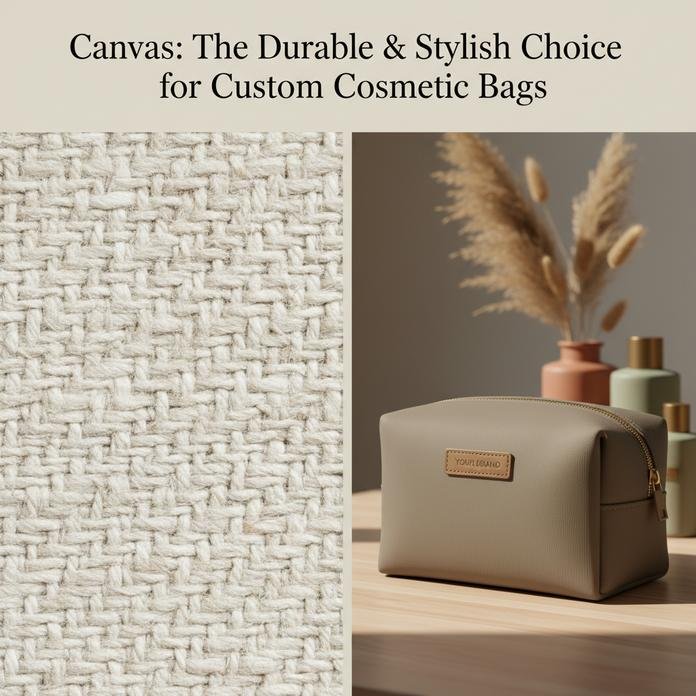
Canvas cloth isn’t just fabric—it’s the backstage workhorse behind some of fashion’s most-loved pieces. Think of it as the James Dean of textiles: rugged, reliable, and cool without even trying. It’s been holding its own in art studios and army camps for centuries—and now? It’s swanning into beauty aisles stitched into custom cosmetic bags.
One New York-based sourcing analyst recently called canvas “the denim of accessories”—built to last but stylish enough for runways and retail shelves alike. That durability is golden when you’re producing thousands of makeup pouches that need to look sharp from factory floor to checkout counter.
If you’ve ever watched a flimsy bag disintegrate mid-trip, you already know why this matters. Bulk buyers want something that holds up under pressure—literally—and still gives room for branding magic without blowing budgets sky-high.
Turns out, canvas doesn’t just carry stuff; it carries your brand story too.
What Exactly Is Canvas Cloth?
Get the lowdown on what makes canvas cloth so tough, versatile, and stylish across industries.
The Composition of Canvas Cloth: Materials and Structure
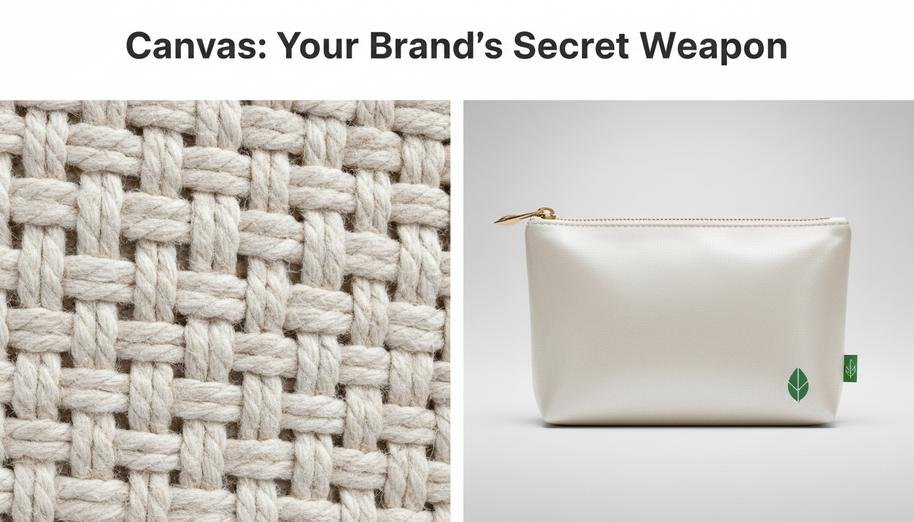
Canvas cloth is all about strength and texture, and its durability comes from a mix of natural and synthetic fibers plus that iconic plain weave pattern.
- Cotton: The most common base for canvas—soft yet durable, easy to dye.
- Linen: Gives a slightly rougher texture; breathable and strong.
- Hemp: Eco-friendly with natural resistance to mold and UV light.
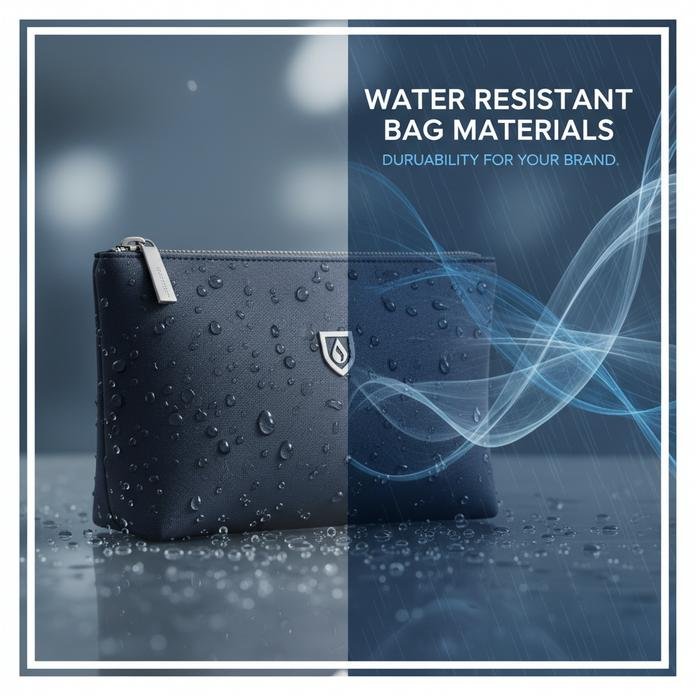
- Polyester blends: Boost water resistance and reduce shrinkage.
- Plain weave structure: Over-under pattern that adds ruggedness without bulk.
- Variants like duck canvas offer tighter weaves for extra strength.
These materials combine to create a fabric that’s not just built to last but also adaptable—from heavy-duty tarps to sleek fashion accessories.
How Canvas Cloth Is Made: From Weaving to Finishing
From thread to textile, making canvas cloth is a layered process where each step adds character, strength, or style.
• It kicks off with yarn spinning, where raw fibers like cotton or hemp are twisted into threads. • Next comes the actual weaving on a mechanical or shuttle loom—this is where the signature plain weave takes shape. • After weaving, it’s time for color—dyeing can happen before or after weaving depending on design needs. • Then come treatments like wax coating or acrylic sprays for added water resistance—a nod to modern functionality. • Lastly, finishing touches smooth out rough edges or prep the fabric for printing.
Whether you’re crafting workwear or minimalist sneakers, this sequence ensures every inch of canvas looks good and holds up under pressure.
Common Uses of Canvas Cloth in the Fashion Industry
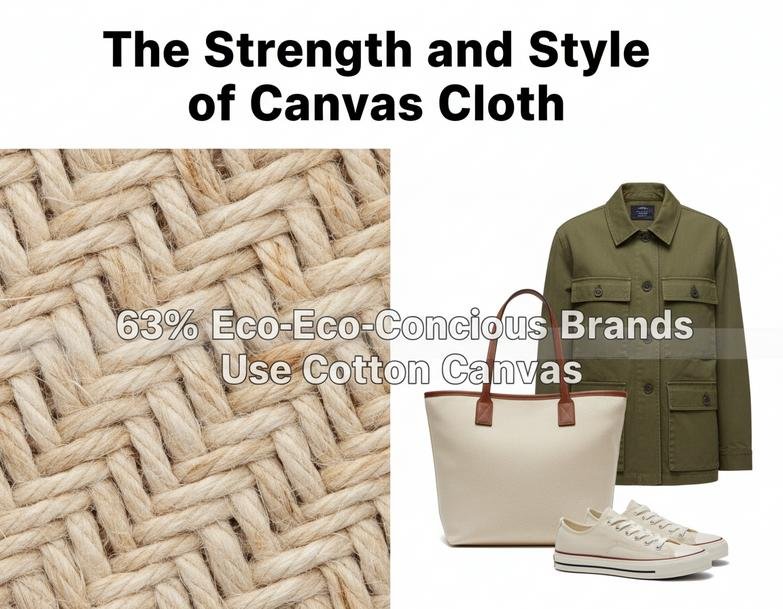
According to GlobalData’s 2024 Apparel Insight Report, over 63% of eco-conscious brands now incorporate cotton-based canvas into their accessory lines due to its longevity and sustainability profile.
Canvas cloth isn’t just utilitarian—it’s fashion-forward too:
🟢 Tote bags & backpacks — Durable enough for daily commutes yet flexible for bold prints.
🟢 Shoes & sneakers — Especially popular in streetwear; breathable yet structured thanks to tightly woven fibers.
🟢 Jackets & outerwear — Often waxed or coated; ideal for transitional seasons due to wind-blocking properties.
🟢 Workwear-inspired pieces — Think reinforced seams and rugged textures; made possible by heavy-weight variants like duck canvas.
🟢 Accessories & trims — Wallets, belts, even watch straps use thin-cut versions for subtle flair without sacrificing toughness.
With its blend of function and flair, it’s no wonder designers keep turning back to this timeless material—even Topfeel featured it prominently in their Spring/Summer line last year.
Benefits Of Using Canvas Cloth For Cosmetic Bags
Canvas cloth cosmetic bags are more than just trendy—they’re practical, sustainable, and built to last. Let’s unpack why they’re a smart choice.
Durability: Why Canvas Cloth Stands the Test of Time
- Tear-resistant design means it won’t fall apart when tossed into gym lockers or travel totes.
- Withstands wear and tear from daily use far better than synthetic materials.
- Holds its shape even after years thanks to its high-quality, tightly woven fibers.
You can throw it around, overpack it, or stuff it under your car seat—canvas cloth handles abuse like a champ. Its durability makes it ideal for makeup lovers who don’t baby their bags. The thick weave resists punctures, while the natural fiber structure keeps things intact even when stretched.
Eco-Friendly Choice: Sustainable Aspects of Canvas Cloth
• Made from natural fibers, like cotton or hemp, which break down naturally over time. • Often produced using fewer chemicals compared to synthetic alternatives. • Reusable and long-lasting—cutting down on fast fashion waste cycles.
According to a 2024 report by Textile Exchange, consumer demand for eco-conscious textiles grew by 23%, with organic cotton leading the charge. That’s where canvas cloth shines—it supports low-impact farming and reduces landfill buildup. Choosing this material isn’t just good for your vanity; it’s good for the planet too.
Easy Maintenance: Simple Care Tips for Canvas Products
- Spot clean with mild soap and water—no need for harsh cleaners.
- Let air dry naturally; avoid dryers to prevent shrinkage.
- Use a soft brush for stubborn stains—don’t scrub too hard!
If your cosmetic bag gets messy—and let’s be real, it will—no stress! Most spills wipe right off thanks to the fabric’s slight water resistant nature. The beauty of these kinds of canvas products is how forgiving they are when life gets chaotic.
Versatility in Design: Customization Options with Canvas Cloth
Group 1 – Decoration Styles:
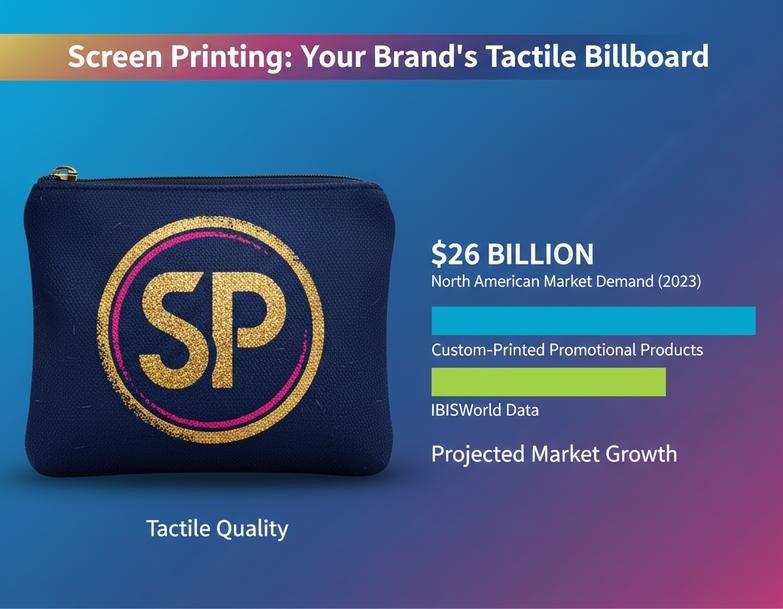
- Screen printing
- Embroidery
- Heat transfer vinyl
Group 2 – Color Play:
- Natural earth tones
- Bold dyed hues
- Gradient blends
Group 3 – Personal Touches:
- Monograms
- Hand-painted art
- Patchwork add-ons
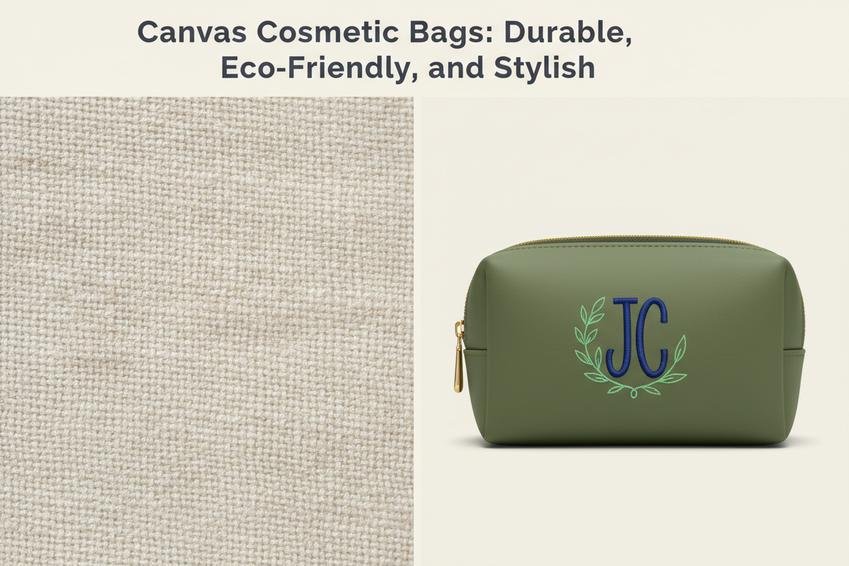
With so many ways to personalize, no two bags have to look alike. Whether you want minimalist vibes or loud patterns, canvas cloth offers endless design flexibility. It absorbs dye beautifully and holds up well under stitching work like embroidery, making it perfect for those who want their bag as unique as their lipstick shade.
Choosing The Right Type Of Canvas Cloth
Picking the right canvas cloth doesn’t have to be rocket science—just smart choices based on weight, color, and texture. Let’s break it down.
Understanding Different Canvas Weights: What You Need to Know
Choosing the correct canvas weight means knowing how much stress your project can take without tearing or sagging. Here’s how to size things up:
- Lighter weights (7–10 oz per square yard): Great for bags, aprons, indoor upholstery.
- Mid-range (10–14 oz): Ideal for tents, tool rolls, and medium-duty covers.
- Heavy-duty (15+ oz): Best for industrial tarps or outdoor gear that needs serious muscle.
🟢 Heavier fabric density usually equals more durability—but also higher cost and less flexibility.
- Know your application: A tote bag doesn’t need military-grade canvas.
- Consider handling ease: Thicker material can be harder to sew or fold.
- Factor in budget: More ounces = more dollars per yard.
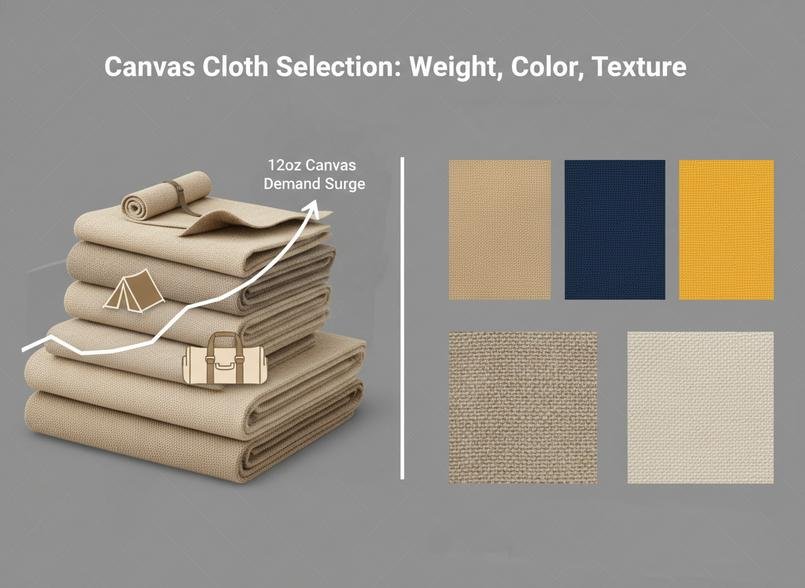
According to a 2024 report by Global Textile Insights, demand for 12oz canvas has surged due to its balance between strength and workability—making it the go-to choice for artisan brands like Topfeel that blend performance with design.
Color and Texture Options: Picking the Perfect Canvas
Matching your project vibe with the right canvas color and canvas texture is where creativity kicks in.
☑️ Color matters:
- Natural beige works well for rustic looks.
- Dyed blacks or navies give a modern edge.
- Brights pop on accessories like backpacks or art totes.
☑️ Texture plays its part: • Coarse weaves offer grip but absorb more paint—great for expressive art canvases. • Smooth finishes allow crisp prints and are easier to clean—perfect for fashion-forward items.
💡 The type of weave pattern, combined with priming techniques, changes everything about how paint sticks—or doesn’t stick—to your surface.
Short tip bursts:
- Want bold color? Go pre-dyed over bleached base.
- Need better paint control? Choose primed canvas with moderate absorbency.
- Prefer vintage charm? Raw unprimed cotton canvas brings out organic tones naturally.
So whether you’re customizing shoes or crafting wall art, picking the right combo of hue and feel makes all the difference in how your final piece turns out—and feels in hand.
Cost Considerations For Canvas Cloth Products
Understanding how much you’re shelling out—and what you’re getting in return—can make or break your decision when buying anything from raw canvas cloth to fully customized bags.
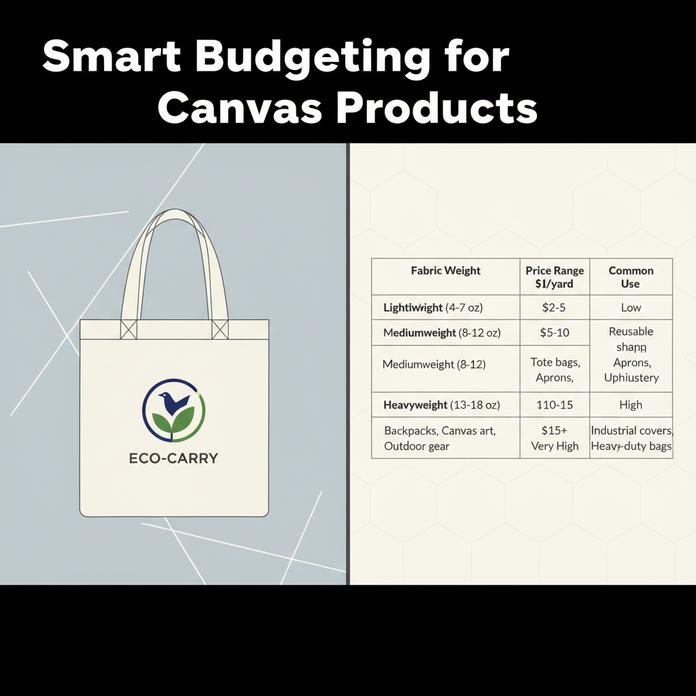
Price Variability: Factors That Influence Canvas Cloth Costs
The cost of canvas cloth jumps around more than you’d think, and here’s why:
• Material composition: Cotton canvas tends to be pricier than polyester blends due to its natural origin and biodegradability.
• Weight and density: Heavier grades like 20 oz are more expensive because they use more raw material and offer higher durability.
• Finish treatments: Waterproof coatings or fire-retardant finishes tack on extra costs but increase utility.
• Supply chain hiccups—like port delays or cotton shortages—can bump up prices unpredictably.
• Manufacturing region matters; locally sourced fabric may cost more but often ensures better quality control.
This combo of variables makes budgeting tricky unless you understand each cost driver in the supply chain of your chosen type of canvas cloth.
Investment vs. Expense: Assessing the Value of Canvas Products
Sometimes paying more upfront saves you cash later. Let’s break it down:
Step 1: Look at the expected lifespan of the item—products made from heavy-duty canvas products can last years without tearing or fading.
Step 2: Evaluate usage frequency. If you’re using it daily, that $30 tote may be cheaper per use than a $10 bag that rips in two weeks.
Step 3: Factor in sustainability. Eco-friendly materials might have a slightly higher price tag, but they reduce replacement frequency and environmental impact over time.
Step 4: Consider resale or branding value if you’re customizing; high-quality items reflect well on your brand or resale platform performance.
In short, not every purchase is just an expense—some are long-term investments in practicality and image, especially when choosing durable, reusable canvas products with proven longevity metrics.
Budgeting for Custom Canvas Bags: Tips for Cost-Effectiveness
Here’s how to keep your wallet happy while still getting awesome custom designs on your bulk order of custom canvas bags:
Design Choices
- Keep prints simple with fewer colors.
- Avoid oversized logos that require large print areas.
- Choose standard shapes over complex cuts to reduce labor costs.
Material Selection
| Fabric Weight | Price Range ($/yard) | Durability Rating | Common Use |
|---|---|---|---|
| 8 oz | $4–$6 | Moderate | Promo bags |
| 12 oz | $6–$9 | High | Daily totes |
| 16 oz | $9–$12 | Very High | Tool bags |
| Recycled Mix | $7–$10 | Medium | Eco lines |
Quantity Strategy
- Order in bulk to get wholesale rates.
- Stick with standard sizes to avoid custom mold fees.
- Batch orders quarterly rather than monthly if storage allows—it slashes shipping costs per unit big time.
By being smart about design simplicity, material weight, and order volume, you can stretch your budget further without compromising quality in your next batch of branded or personal-use custom canvas bags, all while keeping things stylishly practical.
FAQs about Canvas Cloth
What makes canvas cloth a favorite for custom cosmetic bags?
Canvas feels real. It’s made from natural fibers like cotton or linen, which gives it a texture people trust. It holds up to daily use—tossed in handbags, zipped open and shut again and again—and still keeps its shape. And when you want your brand to stand out? This fabric takes color beautifully.
How does the weight of canvas influence bag design?
- Heavier canvas offers structure—it stands tall, protects contents better
- Lighter weights fold easily into purses or travel kits without bulk
- Mid-weight strikes balance: sturdy but flexible enough for everyday carry
The choice depends on how the bag will be used—structure versus softness is often the trade-off.
Can I get specific textures and colors with my order?
Absolutely. Canvas can be woven tight for a smooth finish or left looser with visible grain that adds character. Color options are nearly endless too—you can match your branding exactly or go bold with prints that pop off the surface.
Is canvas cloth really eco-friendly—or just trendy marketing talk?
It’s genuinely better than most synthetic options. Made from plants like cotton or flax, it’s biodegradable over time—not something that sticks around in landfills forever. If you’re aiming for products customers feel good holding onto (and not tossing), this material fits naturally into that story.
Why does durability matter so much for cosmetic bags anyway?
Because these bags aren’t babied—they’re tossed on countertops, stuffed into suitcases, splashed by leaky bottles of foundation and perfume rollers gone rogue. A tightly woven canvas resists rips and absorbs less mess while keeping everything inside safe from life’s little accidents.
Do wholesale orders come with care instructions included?
Most suppliers include simple guidance:
- Spot clean using mild soap
- Avoid hot water; let air dry naturally
These steps help keep each piece looking fresh—even after months of makeup mishaps and morning rushes out the door.




.png)



4th-5th Floor, Building B2, Yin Tian Industrial Park, Xi Xiang Road, Bao'an Dist, Shenzhen, 518102 ,China