
 English
  Korean
  French
  German
  Hungarian
  Japanese
  Russian
The Latest Trends Among Carrier Bag Manufacturers for 2026
If you’ve walked into a boutique lately and found yourself admiring the chic little cosmetic bag more than the lipstick it came with, you’re not alone. Carrier bag manufacturers are stepping up their game for 2026—and it’s not just about looking cute anymore. It’s about being smart, sustainable, and screaming identity in bold colors and recycled threads.
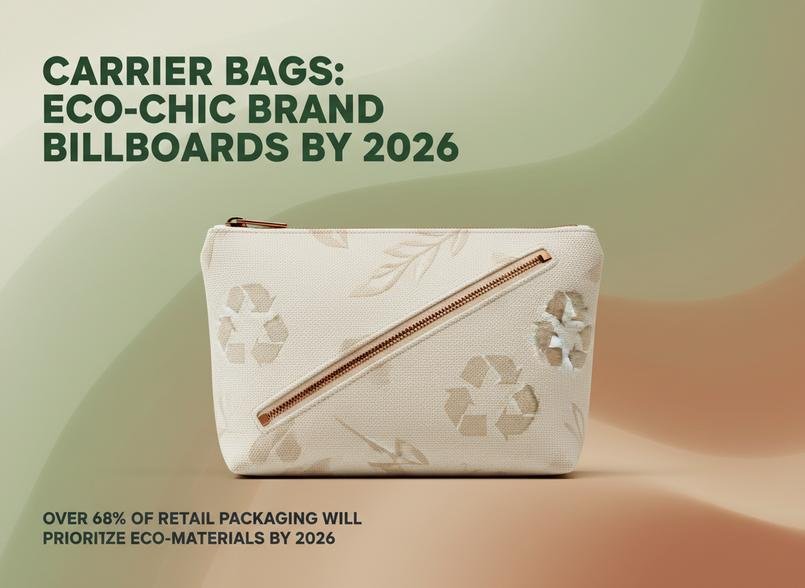
“By 2026, over 68% of retail packaging will prioritize eco-materials as a brand differentiator,” notes McKinsey’s Global Consumer Insights report. Translation? If your bags don’t talk green, shoppers might walk.
So here’s the scoop: brands that want to stay relevant need to think beyond plastic wraps and start thinking cotton canvas with zippers that whisper luxury. This isn’t just packaging—it’s your silent salesman in every aisle.
Ways Carrier Bag Manufacturers Are Embracing Sustainability
Eco is no longer just a buzzword—it’s the new baseline. Here’s how carrier bag manufacturers are stepping up their game with sustainable choices that actually make sense.
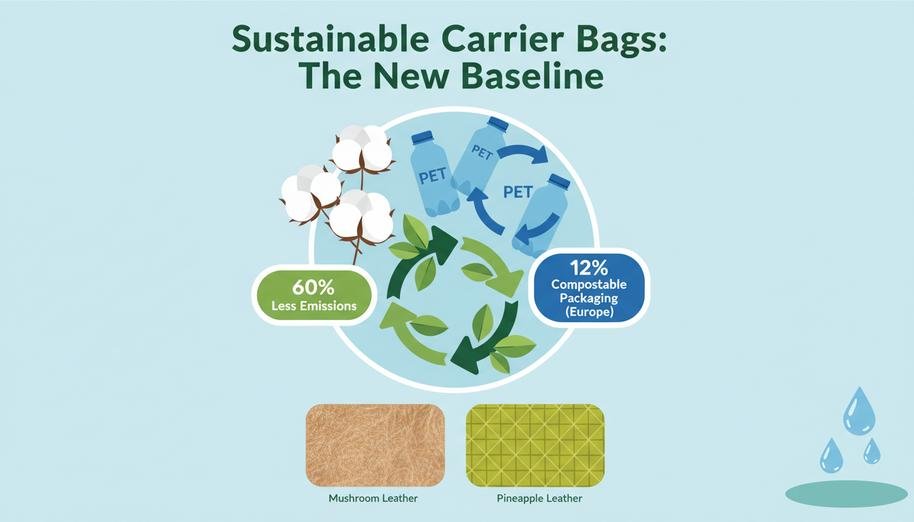
Sustainable Materials: Cotton Canvas and Recycled PET Options
- Cotton canvas offers high durability and biodegradability, making it ideal for long-term use.
- Recycled PET uses post-consumer plastic waste, reducing landfill pressure and conserving raw materials.
- These materials cut down on virgin resource extraction while maintaining structural integrity in bags.
- Cotton canvas bags are washable and reusable—great for folks who hate flimsy throwaways.
- Recycled PET gives plastic bottles a second life, slashing emissions by up to 60% compared to new plastics.
- Both options support circularity by encouraging reuse over single-use consumption.
☑️ Bonus: Blending these two can yield hybrid fabrics that balance strength with sustainability.
By using recycled content, manufacturers shrink their carbon footprint without sacrificing function or style. And let’s be real—no one wants another cheap plastic tote breaking mid-grocery run.
Innovative Packaging: Compostable Alternatives to Traditional Plastics
Compostable packaging isn’t just trendy—it’s transforming how bag makers think about end-of-life product design. Unlike standard plastic wraps, these break down into non-toxic organic matter under the right conditions:
• PLA (polylactic acid) films derived from corn starch
• Starch-based foam inserts replacing petroleum-based fillers
• Flexible pouches made from seaweed-derived bioplastics
According to McKinsey’s 2024 Circular Packaging Report, “Compostables now account for nearly 12% of all flexible packaging formats in Europe.” That shift reflects growing demand for zero-waste lifestyles—and forward-thinking carrier bag producers aren’t sleeping on it.
The Rise of Vegan Leather: An Eco-Conscious Choice for Carriers
Vegan leather is no longer niche—it’s mainstream, baby. And it’s not just about skipping animal products:
- Made from pineapple leaves, mushrooms, or even cactus fibers
- Uses less water and energy than traditional leather tanning
- Often backed with recycled fabrics or bio-resins like PHA
This blend of cruelty-free ethics and environmental responsibility makes vegan leather a go-to for stylish yet conscious consumers. It also allows smaller-scale bag manufacturing companies to offer premium-looking goods without the guilt trip of animal-derived materials.
Plus, when you tell someone your tote was made out of mushrooms? Instant conversation starter at any farmer’s market.
Water-Resistant Solutions: Durability Meets Responsibility
Let’s face it—bags need to survive spills, rainstorms, and messy lunchboxes. But waterproofing doesn’t have to come at Earth’s expense anymore:
Grouped by Functionality: • Coated cotton canvas using plant-based waxes
• Biodegradable PU coatings made from castor oil or soybeans
• Laminates derived from sugarcane-based ethanol
Grouped by Benefit: • Long-lasting surface protection
• Reduced microplastic shedding during breakdown
• Maintains flexibility across temperature shifts
| Material Type | Water Resistance Level | Biodegradability (%) | Source Material |
|---|---|---|---|
| Waxed Cotton | Medium | 90 | Plant-based wax |
| Bio-PU Coating | High | 75 | Castor Oil |
| Sugarcane Laminate | High | 80 | Sugarcane Ethanol |
These innovations show how modern-day carrier bag manufacturers merge material science with real-world practicality—because sustainability shouldn’t mean soggy groceries or ruined laptops.
2026’s Approach to Eco-Friendly Packaging by Carrier Bag Manufacturers
Sustainability isn’t just a buzzword anymore—it’s the new baseline for every serious carrier bag manufacturer.
Color Trends: Choosing Eco-Friendly Tones like Emerald Green
• Earthy tones are making waves—think muted browns, mossy greens, and soft sand hues. These aren’t just pretty; they signal eco-awareness.
• Emerald green, in particular, is climbing fast among packaging palettes due to its strong association with nature and renewal.
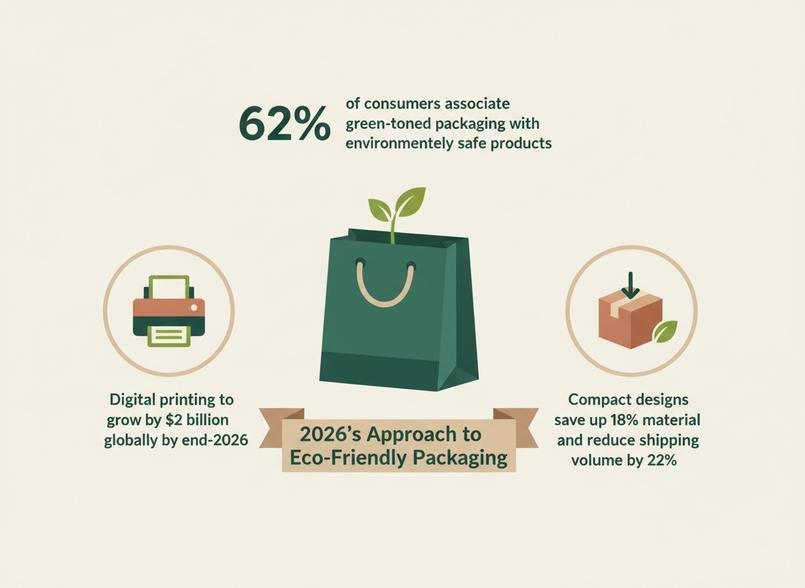
→ A recent survey by Mintel in late 2025 reported that over 62% of consumers associate green-toned packaging with environmentally safe products.
• Brands using these tones are seen as more trustworthy—especially when paired with biodegradable solutions or plant-based materials.
💡 Pro tip: Don’t go neon. Loud colors often scream synthetic and can clash with your sustainability message.
Print Methods: Sustainable Digital Printing Innovations
Digital printing tech is getting smarter—and greener.
❶ It uses less ink and fewer chemicals than traditional methods.
❷ Short-run capabilities mean no excess inventory or waste.
❸ Compatible with recycled content, so you’re not stuck using virgin materials.
⭐ The real win? Variable data printing lets brands personalize bags without extra setup waste—a big plus for e-commerce shops pushing eco-conscious branding.
And here’s the kicker: According to Smithers’ Packaging Futures Report from Q4 of 2025, digital printing on flexible packaging will grow by over $2 billion globally by end-2026—driven largely by demand from sustainable packaging sectors like reusable bags.
Size Matters: Compact Design for Efficiency and Sustainability
✔ Smaller carrier bags = less material used = lower carbon footprint. It’s math that makes sense to both brands and buyers.
✔ Compact doesn’t mean flimsy though—thanks to advances in material science, even thin-profile bags can hold weight without tearing or stretching out of shape.
✔ Retailers are also loving this shift because compact designs reduce shelf space clutter while cutting down on shipping costs.
📦 Here’s a quick look at how optimized sizing impacts sustainability:
| Bag Size | Material Saved (%) | Shipping Volume Reduced (%) | Avg Cost Savings per Unit |
|---|---|---|---|
| Small | +18 | +22 | $0.04 |
| Medium | +12 | +17 | $0.03 |
| Large | +7 | +9 | $0.02 |
Even small tweaks in design dimensions can lead to major wins across production lines, especially when you’re producing millions annually as most top-tier carrier bag manufacturers do today.
By blending thoughtful design, smart printing strategies, and color psychology rooted in environmental cues, today’s leading bag producers are proving that going green doesn’t have to mean going bland—or broke.
Key Design Trends Influencing Carrier Bag Manufacturers for 2026
Trends are shifting fast, and carrier bag manufacturers need to stay sharp. Here’s what’s hot and what’s next in bag design.
Closure Types: Zipper Closure vs. Magnetic Snap
- Zippers keep your stuff locked down tight—ideal for commuters and travelers.
- Magnetic snaps? Super handy when you’re on the move and need quick access.
- Each closure style speaks to different user needs, so smart carrier bag makers often offer both.
❶ Security is king with zippers—especially in urban environments where pickpocketing is real.
❷ Magnetic closures win on ease, especially for shoppers who want speed at checkout.
✦ For hybrid designs, brands now combine both closures for double functionality.
Zippers align well with product protection, while magnetic snaps tap into convenience-driven lifestyles. The best bags? They meet users right where they are.
Pastel Pink vs. Deep Purple: Color Choices for Aesthetic Appeal
Soft or bold? It all depends on your vibe. Pastel pink whispers minimal elegance—perfect for fashion-forward students or boutique shoppers. Deep purple shouts confidence and stands out on retail shelves.
• Pastel tones pair well with minimalist design trends. • Bold hues like purple reinforce strong brand identity. • Both colors are winning big in Gen Z markets heading into 2026.
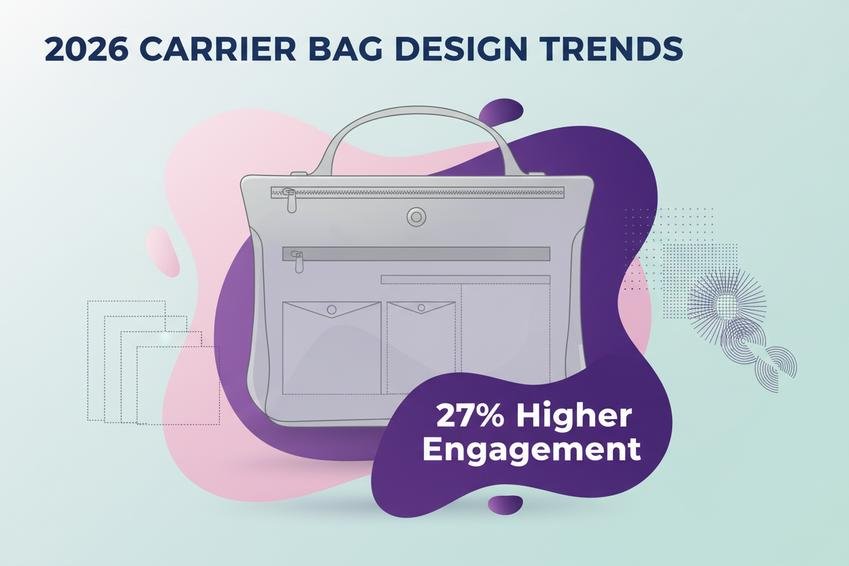
“Color psychology continues to drive purchase decisions,” notes Mintel’s Q3 Fashion Accessories Report, 2025. “Brands that align tone with message see up to 27% higher engagement.”
So whether you’re designing subtle chic or loud luxury, color choice isn’t just aesthetic—it’s strategic ammo for every savvy bag manufacturer out there.
Features That Sell: Interior Pockets and Adjustable Dividers
You open the bag—and everything has its place. That’s the magic of smart interiors:
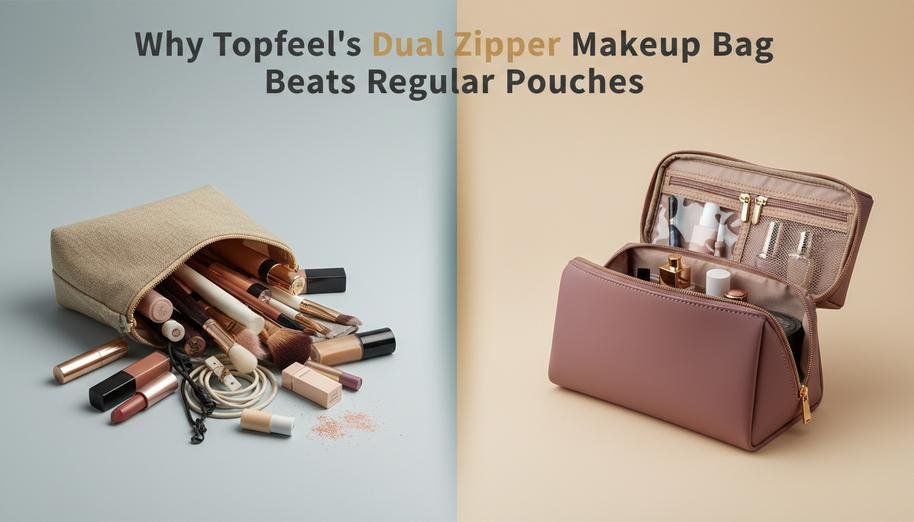
• Interior pockets = no more digging around like it’s a treasure hunt. • Adjustable dividers = customize space based on what you carry that day. • These aren’t extras anymore—they’re expected by modern buyers looking for real-life utility.
Short-term use? Long-term storage? Doesn’t matter. These features boost the daily experience and reflect rising demand for bags built around actual human behavior—not just aesthetics.
Topfeel nails this by integrating modular compartments across their latest line—making them a top pick among functional-first consumers shopping online or in-store.
Print Methods: Heat Transfer vs. Sublimation Print Techniques
| Print Method | Durability Rating | Color Vibrancy | Best Use Case |
|---|---|---|---|
| Heat Transfer | High | Moderate | Logos & Text Prints |
| Sublimation | Medium | Very High | Full-color Graphics |
Heat transfer printing is tough—it holds up through wear-and-tear like a champ, making it ideal when durability matters most (think gym bags). On the flip side, sublimation printing serves up eye-popping visuals that don’t fade fast—great for lifestyle-focused lines chasing Instagram appeal.
Both print methods are deeply tied to how well a brand communicates its story through visuals—and how long that visual impact lasts once it’s out in the wild.
Large Capacity vs. Medium Sized: Understanding Consumer Preferences
Big bags scream “weekend getaway,” while medium-sized ones whisper “just enough.” Here’s how it breaks down:
① Large capacity bags cater to travel lovers needing space without sacrificing style. ② Medium-sized options attract everyday users who want portability without bulkiness. ③ The shift toward compact living makes medium sizes more attractive—but only if they still nail key features like foldability and smart compartments.
Grouped Demand Trends:
- Urban Professionals → Prefer medium size + sleek profile
- Parents & Travelers → Lean toward large capacity + reinforced handles
- Students → Want flexible sizing + tech sleeves inside
So yeah—size matters, but not always how you’d expect it to. Smart brands are offering both formats because today’s buyers want flexibility baked into their choices from the get-go.
Top Features Customers Seek in Carrier Bags
From makeup lovers to frequent flyers, folks want more from a bag than just a zip. Here’s what keeps customers coming back—and what makes them brag about it.
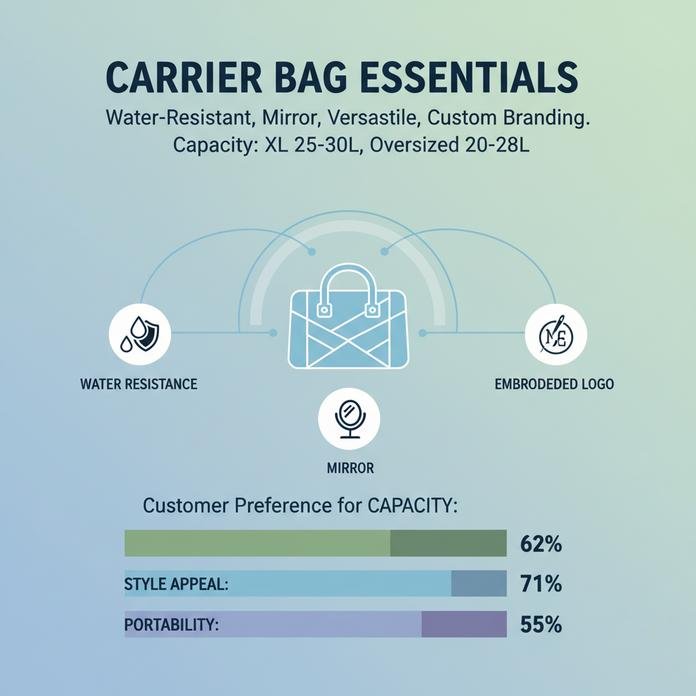
Essential Features: Water Resistance and Mirror Inclusion
• A water-resistant lining is non-negotiable for many users—no one wants their essentials soaked if the weather turns ugly.
• Built-in mirrors? Total game changer for on-the-go touch-ups, especially during travel or long workdays.
• These two features often rank top in buyer reviews across major carrier bag manufacturers, showing their practicality isn’t just hype—it’s demanded.
Versatility: Makeup Storage vs. Travel Organizer Applications
- For makeup hoarders:
- Compartments keep brushes upright and palettes safe.
- Easy-to-clean interiors are a must after foundation spills.
- For travelers:
- Mesh pockets help separate toiletries from tech.
- Zippered sections prevent passport panic mid-airport dash.
- The best bags balance both uses with smart layouts, proving that carrier and bag design can be multi-talented without overcomplicating things.
Custom Options: Promotional Gifts with Embroidered Logos
★ Businesses love gifting branded bags because: • Embroidery adds flair without peeling like stickers. • It gives off premium vibes—hello, elevated branding! • People actually use them, turning recipients into walking ads. ★ Many bag manufacturers now offer low MOQs for custom runs, making it easier than ever to get your logo stitched on something stylish yet practical.
Appeals of Extra Large vs. Oversized Travel Designs
Size matters—but so does shape:
- Extra large designs are all about space efficiency; think flat-lay openings and expandable compartments that can swallow up entire skincare routines.
- On the flip side, oversized travel designs lean into fashion-forward silhouettes without skimping on function—perfect for weekend getaways or gym-to-office transitions.
| Feature Type | Extra Large Bags | Oversized Travel Bags | Customer Preference (%) |
|---|---|---|---|
| Capacity (Liters) | 25–30L | 20–28L | 62% |
| Style Appeal | Moderate | High | 71% |
| Portability | High | Medium | 55% |
| Ideal Use Case | Extended Travel | Daily Commute/Short Trip | — |
Topfeel nails both styles by blending roomy interiors with sleek exteriors—no wonder they’re among the most buzzed-about names in the world of carrier bag manufacturing today.
Customization Trends: Carrier Bag Manufacturers’ Best Practices
Quick peek: Today’s carrier bag manufacturers are rewriting the rules with style, speed, and smart branding.
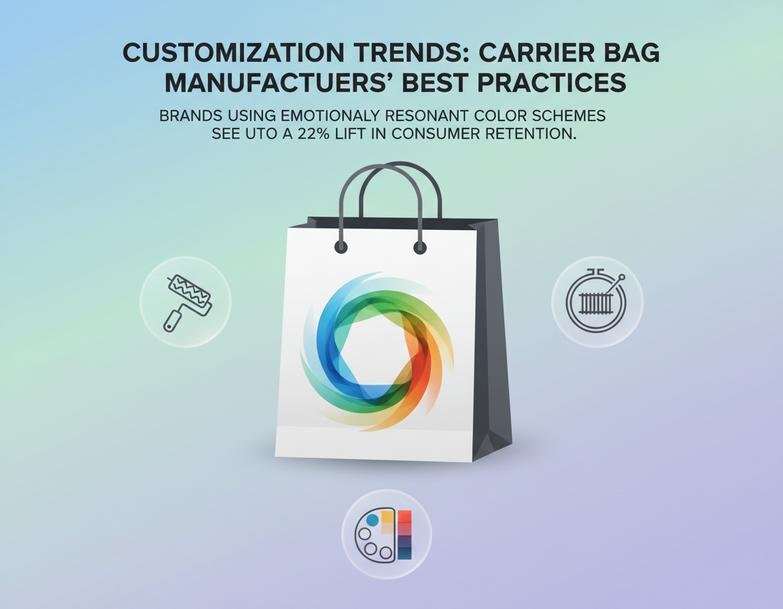
Personalization Options: Custom Prints for Retail Packaging
• Logos, taglines, or full-blown artwork—custom prints let brands shout their personality loud and clear.
• From indie boutiques to mega chains, everyone’s chasing that signature look on their bags.
• Retail packaging suppliers now offer small batch runs with full-color graphics at lower costs than ever.
- Customize by season (think holiday themes).
- Use storytelling designs—like product journeys or founder quotes.
- Add QR codes for instant engagement.
✦ The rise of short-run digital presses means even startups can afford high-quality branded bags.
In a world where shelf presence matters less than doorstep impact, creative printing is gold dust for brand recall.
Modern Techniques: Screen Printing vs. Embroidered Logos
Screen printing is crisp, fast, and cost-effective—perfect for bold logos or flat colors on fabric totes. Embroidery? That’s your go-to when texture and luxury matter more than speed.
Short-run? Go embroidered for that tactile wow factor on premium cotton blends. Bulk orders? Screen print away—it scales better without bleeding your margins dry.
Custom bag producers often blend both methods based on material type and design complexity, keeping things sharp while staying under budget.
And let’s not forget how sustainable inks now work beautifully across both techniques—style meets conscience!
Competitive Edge: How Color Selection Influences Custom Orders
Color isn’t just color—it’s psychology in motion. What you choose says everything about your brand vibe.
• Red = urgency and energy (great for flash sales).
• Blue = trust (hello finance or tech giveaways).
• Green = eco-consciousness (a no-brainer for organic shops).
According to Mintel’s 2024 retail packaging report, “Brands using emotionally resonant color schemes see up to a 22% lift in consumer retention.”
Bag makers know this well—they’re advising clients not just on hues but tones that match their demographic sweet spots. Smart color choices don’t just pop—they sell more stuff too.
So yeah, next time you’re picking Pantones? Think beyond pretty—think strategy wrapped in a handle.
FAQs about Carrier Bag Manufacturers
How do carrier bag manufacturers integrate sustainable materials into cosmetic bags?
Small details make the difference:
- Cotton canvas gives a natural, sturdy charm.
- Recycled PET whispers the story of bottles reborn.
- Vegan leather offers an elegant cruelty-free touch.
- Clear PVC, chosen wisely, keeps transparency but with recyclability in mind.
Which print methods bring designs alive for large custom orders?
A marriage of technique and intent: Screen printing holds crisp precision on oversized travel styles; digital printing paints emotions in vivid layers; heat transfer adds drama to metallic gold tones; embroidered logos trace brand pride stitch by stitch; sublimation print blends colors like watercolors sealing memories onto fabric.
What closure types resonate most in cosmetic storage solutions?
The daily ritual becomes smoother when closures feel just right: zipper closure keeps spills captive, magnetic snap clicks open for hurried mornings, drawstring closure gathers petite treasures neatly, button closure feels classic against cotton canvas, Velcro fastening bends to flexible needs during busy makeup storage moments.
Can I request specific colors such as pastel pink or emerald green in bulk orders?
Yes—color speaks softly yet powerfully. Pastel pink invites gentle luxury for promotional gifts; deep purple suggests regal allure in retail packaging displays; emerald green breathes freshness ideal for travel organizers; metallic gold captures celebration energy perfect for cosmetic displays; classic black remains timeless across medium sized or extra large designs alike.
What features turn a custom cosmetic bag into something customers love buying again and again?
When beauty rests inside function: nylon fabric’s water resistant shield guards essentials from sudden rainstorms on journeys; interior pockets tame chaos among adjustable dividers and brush holders; mirror included makes retouches intimate even mid-trip—each feature transforming utility into delight.
Does compact design help reduce costs while keeping appeal intact?
Compact design trims material use without trimming personality—easier shipping means better wholesale pricing while still allowing playful pastel pink covers or refined vegan leather shells to shine within small spaces suited perfectly for everyday makeup storage or light travel organizer roles.


.png)



4th-5th Floor, Building B2, Yin Tian Industrial Park, Xi Xiang Road, Bao'an Dist, Shenzhen, 518102 ,China