
 English
  Korean
  French
  German
  Japanese
  Russian
What Is Velvet Made Of
Velvet—just the word feels plush, like whispering a secret through a cashmere fog. It’s not just fabric; it’s drama stitched into every fold. But when you’re staring down a bulk order of custom cosmetic bags, romance takes a back seat to real questions: What is velvet actually made of? And how will it hold up in the hands of your customers?
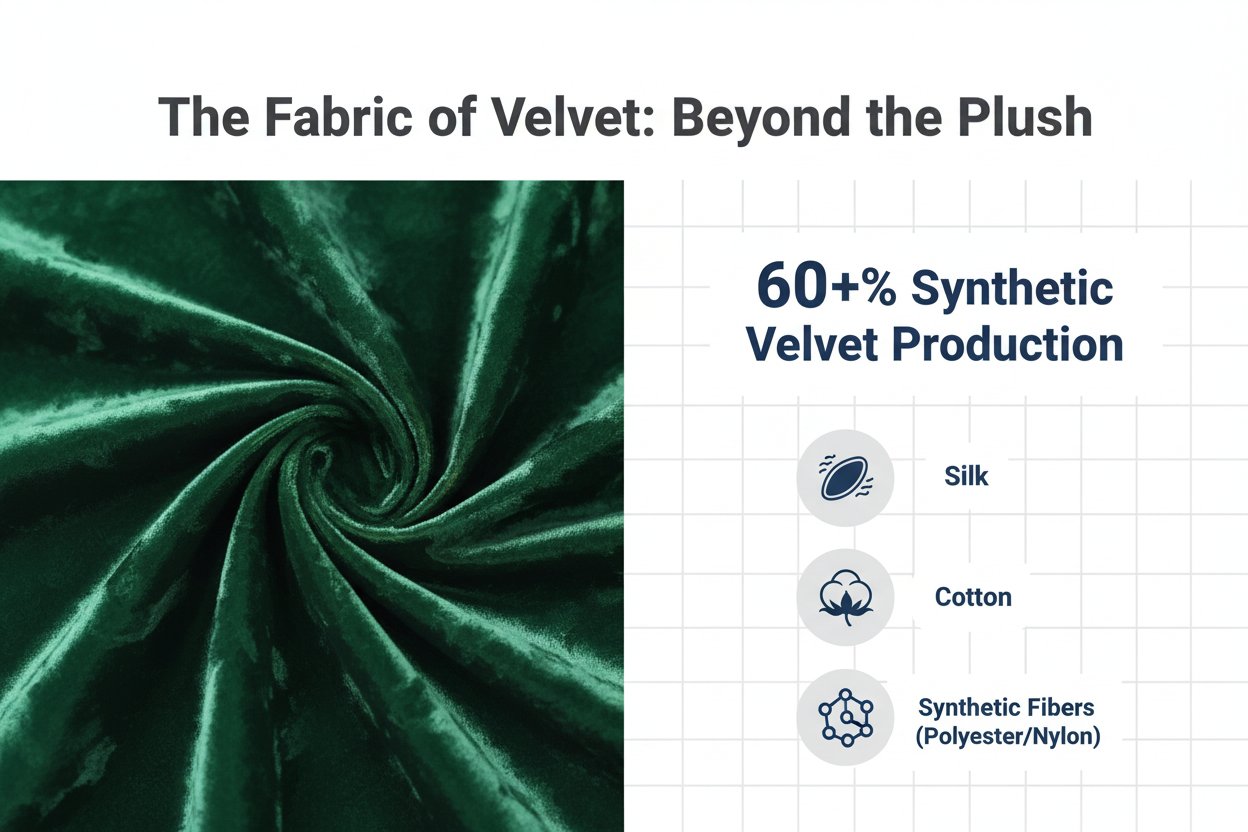
Backstage, it’s all about materials—silk if you’re fancy-fancy, cotton for that natural feel, and synthetics like polyester or nylon when durability needs to flex its muscles. Each one brings its own vibe and price tag.
According to Statista’s 2023 textile report, synthetic blends now make up over 60% of global velvet production—a nod to brands choosing versatility without ditching style.
So before your brand signs off on another “pretty pouch,” take five minutes with us. We’ll break down what velvet’s really made of—and how that choice could make or break your next product drop.
Velvet Vibes: Key Points for Picking, Blending & Caring
➔ Velvet Fiber Basics: Velvet is made from silk, cotton, or synthetic fibers like polyester and nylon—each offering distinct textures and durability levels.
➔ Natural vs. Synthetic Touch: Natural velvet offers soft luxury but requires more care; synthetics are more durable and easier to maintain for travel or daily use.
➔ Popular Velvet Types: From crushed to stretch velvet, key variations bring unique textures—from shimmering finishes to flexible comfort—ideal for cosmetics bags or apparel.
➔ Cotton’s Soft Role: Cotton velvet delivers breathable softness with high customizability in color patterns and logo printing, making it perfect for branded accessories.
➔ Care Essentials: To extend the life of your velvet products, clean gently with minimal water and store properly using waterproofing sprays when needed.
What Are Velvet Fabrics Made From?
Ever wondered what gives that plush feel to your favorite jacket or couch? Let’s break down what really goes into making velvet so irresistibly soft and rich.

The Fiber Story: What Is Velvet Made From?
You might think all velvet is the same, but the truth is—it’s a mix of different fiber stories coming together.
- • Traditional high-end versions use pure silk, giving off that unmistakable luminous glow.
- • More affordable options blend in fibers like rayon, which mimics silk’s shine but at a friendlier price point.
- • Some types incorporate synthetic threads such as acetate, adding resilience and reducing cost.
- • The signature texture comes from its unique weaving—two layers woven simultaneously then cut apart to create the dense surface known as the “pile”
- • Cotton-based velvets feel more matte and heavier than their shimmery silk cousins—but they’re great for everyday wear.
In short, whether it’s luxe or laid-back, every thread counts in shaping how your velvet feels and flows.
Understanding Material Types: Velvet vs. Others
Comparing fabrics? Here’s how different materials stack up against good ol’ soft-touch velvet:
📌 Fabric Structure & Feel:
■ Velvet: Rich texture created by cut pile; feels plush and warm.
■ Corduroy: Also uses cut pile but in vertical ridges—more rugged than refined.
■ Velveteen: Imitation velvet made from cotton; less sheen, more stiffness.
📌 Durability & Use:
■ Canvas outlasts most thanks to its tight weave—ideal for bags and heavy-duty upholstery.
■ Nylon is featherlight and fast-drying—often used where breathability matters more than softness.
■ Authentic velvet may not be as tough, but it wins on elegance every time.
📌 Visual Appeal:
■ Real silk-based velvet glows under light due to the reflective nature of its fibers.
■ Velveteen has a duller finish due to its denser weave structure.
The Textile Institute reported in early 2024 that “consumer demand for plush textures like velvet continues to rise across fashion and interior markets,” pointing to a growing appreciation for tactile luxury over purely functional fabrics.
Velvet Variations: Blends with Cotton, Nylon, and Polyester
Modern-day velvets are often mixed with other fibers—and here’s why that’s actually a good thing:
✔️ Cotton + Velvet = Breathable Comfort
These blends tone down the shine but ramp up durability. Great for jackets or pants that need daily wearability without sacrificing softness.
✔️ Nylon + Velvet = Lightweight Strength
Adding nylon helps reduce fabric weight while increasing stretch—perfect for performance costumes or flexible fashion pieces.
✔️ Polyester + Velvet = Budget-Friendly Shine
Polyester brings affordability while still capturing some sheen. You’ll find this combo everywhere—from curtains to throw pillows.
Each blend tweaks not just how the fabric looks—but also how it holds up over time. So next time you run your hand across something velvety smooth? You’ll know exactly what went into making it feel that way.
Natural Vs. Synthetic Velvet: Key Differences
Velvet isn’t just one thing—its feel, performance, and vibe shift with the materials behind it.

Natural Velvet vs. Synthetic Velvet
When choosing between natural velvet and synthetic velvet, it’s not just about look—it’s all about how you live with it.
- Feel & Texture • Natural blends like silk-cotton deliver unmatched softness and warmth to the touch.• Synthetic types such as polyester-mix have a smoother surface but lack that rich depth.
- Durability & Maintenance • Synthetics are tougher cookies—resistant to crushing, fading, and easier to clean up spills from.• Naturals require more care; they age beautifully but can snag or stain if mishandled.
- Cost Factor • Expect to pay more for natural due to sourcing and weaving complexity.• Synthetics offer budget-friendly luxury without sacrificing too much glam.
- Sustainability Angle • Organic cotton velvets score higher on eco-friendliness if ethically sourced.• Some synthetics now use recycled fibers but still lag behind in biodegradability.
Whether you’re dressing up your couch or your carry-on wardrobe, knowing what kind of velvet suits your lifestyle makes all the difference.
How Material Types Influence Velvet Characteristics
The kind of fiber used in making velvet fabric quietly shapes everything—from its drape to how long it lasts in your closet or living room.
• Cotton-based velvets tend to be matte, breathable, and perfect for casual wear or homey interiors—but they wrinkle easily and need gentle cleaning.
• Silk-infused versions? Pure drama! They shimmer under light, drape like a dream, but can be delicate divas when it comes to moisture.
• Polyester or nylon varieties bring strength—they bounce back after being crushed in luggage and resist fading even under harsh lights.
• Blended fabrics often strike a smart middle ground—offering decent texture with less fuss over maintenance.
• Viscose gives off that luxe sheen similar to silk but is more affordable; however, it’s prone to water spots unless treated properly.
So whether you’re going for cozy comfort or photo-ready shine, picking the right material mix matters—and brands like Topfeel are making sure there’s a velvet match out there for every vibe.
4 Major Types Of Velvet Fabrics To Know
From high-glam silk to cozy corduroy, here’s how different velvet fabrics bring their own flair to fashion and function.

Crushed Velvet: The Unique Texture
- Crinkled Finish: This kind of velvet gets its signature look by twisting the fabric while it’s still damp. That’s what gives it that wild, uneven shine.
- Visual Drama: It reflects light in unpredictable ways—perfect if you’re going for that moody, lived-in glam.
- Styling Edge:
- Dresses with attitude
- Statement jackets
- Throw pillows with a personality twist
- Texture Play:
- Soft but unpredictable under the fingers
- Adds depth when layered with matte materials
- Ideal for vintage-inspired looks or bold modern pieces
Corduroy Velvet: Shape and Utility
Chunkier than your average velvet, this one’s got ribs—literally.
• Feels like a mash-up between old-school corduroy and plush velvet—cozy but structured.
• The ridges give it grip, making it great for tailored pants or structured blazers.
• It holds up well over time, so yeah, durability is a win here too.
Want a casual-but-elevated vibe? Corduroy velvet nails it without trying too hard.
Silk Velvet: Luxurious Experience
Smooth as butter and rich like dark chocolate, silk velvet isn’t just soft—it practically glows. Its drape is liquid-like, flowing effortlessly around the body or furniture frame. You’ll often find it in upscale eveningwear or luxury interiors where touch matters as much as sight. Unlike synthetic blends, real silk velvet catches light differently across every fold—think candlelit shimmer instead of flashbulb glare.
It costs more than other types of velvet fabric, sure—but when elegance is non-negotiable? This one wins hands down.
Stretch Velvet: Comfort Meets Versatility
- Start with a base layer of spandex blended into traditional pile weave.
- Add softness on top—that classic plush feel you expect from any good-quality velvet textile.
- Now mix in flexibility; this stuff moves with you.
- Result? A fabric that hugs curves without restricting motion.
- Perfect for travel wear, dance costumes, or active fashion that doesn’t scream gym gear.
- Bonus points? It bounces back after wear—no saggy knees or elbows here.
Stretch velvet proves you don’t have to pick between looking luxe and feeling chill.
The Role Of Cotton In Velvet Creation
Cotton brings softness, sustainability, and versatility to the velvet game—let’s unpack how it shapes this plush fabric’s identity.

Cotton Velvet: Softness and Breathability
- Soft feel: Thanks to its natural cellulose fibers, cotton velvet offers a cozy touch that synthetic versions can’t quite match.
- Breathable texture: Unlike polyester blends, cotton lets air flow through the pile, making it comfy even in warmer months.
- Gentle on skin: Hypoallergenic by nature, cotton makes this type of velvet ideal for sensitive skin or everyday wear.
You’ll often find cotton velvets used in loungewear or casual blazers—it’s that perfect combo of breathable and luxe.
Customization in Cotton Velvet: Patterns and Colors
• You want wild prints? Cotton’s got you covered—its absorbent surface holds dye like a champ.
• Need your brand logo printed? Digital printing works like magic on cotton-based velvets, especially for fashion labels wanting a bold statement look.
Grouped Custom Options:
- Color options:
- Deep jewel tones
- Earthy neutrals
- Pastel gradients
- Pattern types:
- Floral overlays
- Geometric repeats
- Abstract swirls
The flexibility of cotton allows textile designers to push creative boundaries with each yard of velvet fabric, making it as expressive as it is functional.
The Environmental Impact of Cotton in Velvet
According to the Textile Exchange’s 2024 Material Change Insights Report, conventional cotton farming still accounts for over 16% of global pesticide use—making eco-conscious sourcing essential when producing cotton-rich velvets.
♻️ But there’s hope:
• Organic cotton cultivation reduces water usage by up to 91%.
• Recycled-cotton blends are gaining traction among premium velvet brands.
And some mills now use closed-loop dye systems to limit pollution during the finishing phase—a small but mighty shift toward greener production.
So while traditional cotton velvet isn’t always planet-friendly by default, smart sourcing and updated processes are helping clean up its act—one bolt at a time.
Velvet Care Tips For Longevity
Velvet’s charm fades fast without proper care. These tips help your pieces stay plush, vivid, and timeless.

Cleaning Velvet: Essential Tips to Maintain Quality
- Always start with a soft brush—this keeps dust from embedding into the nap.
- Use a steamer instead of an iron to lift crushed fibers and restore fluff.
- Dab spills immediately with a dry cloth; don’t rub or blot too hard.
- Spot clean with mild soap diluted in water—never soak the fabric.
- Air dry flat and away from direct sunlight to avoid fading or shrinkage.
- Test any cleaning product on an unseen area before going all-in.
• Avoid dry cleaning unless absolutely necessary—it can strip texture over time.
Velvet upholstery and fashion items thrive when handled gently. Steam refreshes the pile better than washing ever could, especially for delicate velvet apparel or vintage finds.
Lint rollers? Yes—but only the gentle kind. And never use tape on velvet fabric; it’ll leave marks you’ll regret.
Regular maintenance is key—light brushing every week prevents matting and keeps that signature softness intact.
Protecting Your Velvet: Waterproofing and Storage Solutions
• Use protective sprays labeled safe for velvet material, applying evenly in short bursts from about six inches away.
• Store velvet garments on wide padded hangers to prevent shoulder dents and creases.
• Keep items in breathable garment bags—not plastic—to allow airflow while shielding against dust buildup.
- Rotate storage positions occasionally so folds don’t become permanent impressions.
- Use acid-free tissue paper between folds if stacking is unavoidable during off-season storage.
- Never store damp velvet—it breeds mildew faster than you think.
“Recent data from Textile Protection Institute (2024) confirms that water-repellent treatments extend the lifespan of velvet textiles by up to 38%, especially under humid conditions.”
Avoid cramming your closet—crushed velvety textures are tough to revive without professional help. Give them room to breathe!
Sunlight isn’t velvet’s friend either—store away from windows, or use UV-filtering covers if exposure can’t be avoided.
With just a little love and smart storage tricks, even budget-friendly pieces can keep their luxe vibe for years.
FAQs about “What Is Velvet Made Of”
What types of velvet work best for cosmetic bags? Velvet isn’t just one fabric—it’s a family. And each member brings its own personality to the table:
- Cotton velvet: soft, breathable, and easygoing—perfect for everyday use.
- Stretch velvet: flexible and forgiving, ideal when the pouch needs to move with you.
- Crushed velvet: dramatic sheen and texture that catches light like it was born on stage.
- Silk velvet: pure luxury; smooth as a whisper but not always practical in bulk.
Choosing depends on what story your bag wants to tell—comfort, glamour, or both.
Can I make my velvet pouches waterproof without ruining their softness? Absolutely. The trick is in pairing materials wisely:
- Add a discreet waterproof lining inside—think nylon or TPU-backed satin—to keep spills contained.
- Use zippers that seal neatly without catching on the plush exterior.
This way, your bag keeps its velvety charm while standing up to real-life messes.
How does cotton affect the feel of a velvet makeup bag? Cotton-based velvets have heart. They’re warm against your skin—not too slick—and they breathe well. That means less trapped moisture around brushes or sponges. Plus, colors stay truer when printed onto cotton blends, making logos pop instead of fade into fuzziness over time.
Is synthetic velvet good enough for large orders—or does it feel cheap? Synthetic doesn’t mean soulless. Done right—with polyester or nylon blends—it holds shape better than natural fibers and resists wear from constant tossing into handbags or suitcases. It’s also easier to clean after accidental foundation smudges (we’ve all been there). For big runs where consistency matters most, synthetics often shine brighter than expected.
Which shapes look best in stretch or crushed velvet designs?Shape gives voice to function—and flair:
- Rectangular styles offer structure for palettes and tools.
- Round silhouettes bring softness; they slip easily into tote bag spaces.
- Cylindrical versions add drama—a little vintage perfume bottle energy—for those who want their storage with style cues from old Hollywood dressing rooms.
Each form interacts differently with light and texture… especially under crushed finishes that shimmer unpredictably at every angle.
References
- Synthetic Fiber Market Size, Share, Industry Report, 2032 – Fortune Business Insights
- Velvet fabric: Types – Uses and Colors – Al-Nassaj
- What is velvet? One name, many fibers – Lampoon Magazine
- 8 Different Types of Velvet and What They’re Best For – The Creative Curator
- What is Velvet Material Made Of: Types, Properties, and Uses Explained – Ningbo MH
- Velvet Material: The Different Types and Its Uses – KOVI Fabrics
- Team Corduroy or Team Velvet – YLF – YouLookFab
- 16 Different Types of Velvet Fabric: Which One is Perfect for You? – Longan Craft
- The Ultimate Guide to 100 % Cotton Velvet Fabric – Ningbo MH
- Sustainable Cotton: Securing the Future of the Industry – World Wildlife Fund
- Our Story – Textile Exchange
- Caring for Velvet – Embassy Cleaners
- How to Wash Velvet in 6 Steps – Whirlpool
- What Are the Environmental Impacts of Conventional Cotton Cultivation? – Sustainability Directory





.png)



4th-5th Floor, Building B2, Yin Tian Industrial Park, Xi Xiang Road, Bao'an Dist, Shenzhen, 518102 ,China