
 English
  Korean
  French
  German
  Hungarian
  Japanese
  Russian
Tyvek Tote Bags Compared: Topfeel vs Wholesale Options
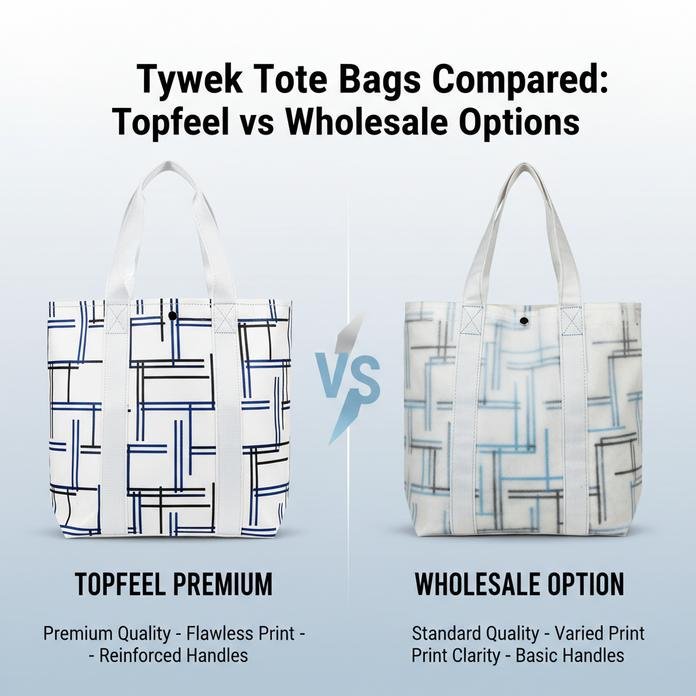
If you’re buying tote bags for cosmetics, events, or retail packaging, Tyvek-style “DuPont paper” totes sit in a sweet spot: they look clean and modern like paper but behave more like a tough fabric. The catch is that not all Tyvek totes feel the same in real use—print clarity, handle strength, seam finishing, and even how the material creases can vary a lot from supplier to supplier.
This guide compares Topfeel’s Tyvek large eco portable tote bag with several widely seen wholesale routes, so you can choose based on outcomes, not slogans.
Quick Comparison Table: What Matters in Real Buying Decisions
| Supplier route | What you usually get | Where it shines | Common risk |
|---|---|---|---|
| Gift/packaging vendor (e.g., ProGiftBox-style) | Branding-first tote for campaigns | Fast activation, simple customization | Details can drift if you don’t lock specs early |
| Tyvek manufacturer (e.g., Initipacking-style) | Production-first customization | Better control over structure + reinforcement | You must manage brand alignment and packaging fit |
| Tyvek wholesale catalog (e.g., Allwin-bags-style) | Ready styles with flexible customization | Variety + speed | Limited deep structural changes |
| General tote factory (e.g., Szoneier-style) | Broad materials, low MOQ messaging | Cheap testing, quick proofing | Premium Tyvek finishing may be inconsistent |
1) What “Tyvek / DuPont Paper” Really Means
Tyvek is a DuPont material made from flash-spun high-density polyethylene fibers—lightweight, tough, and known for strong tear resistance.
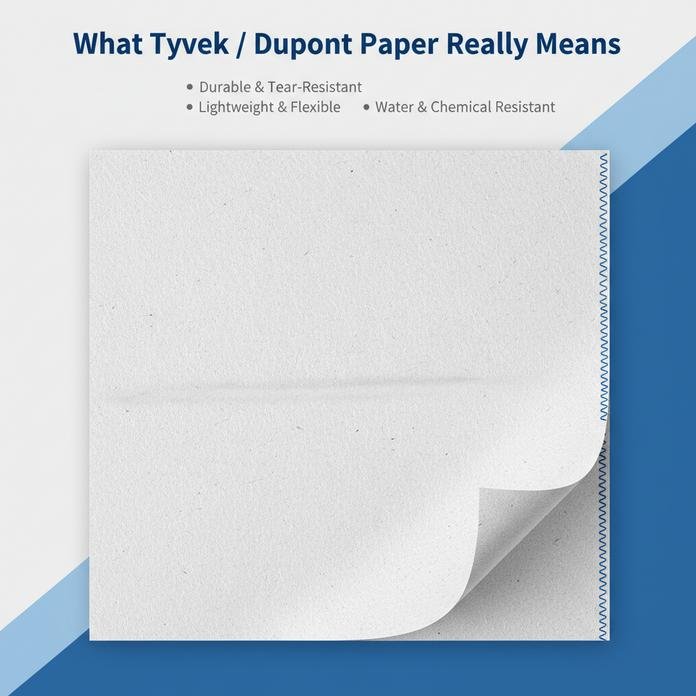
That construction is why many brands use it when they want a bag that:
- Looks crisp and premium (paper-like texture without the “cheap nonwoven” vibe)
- Handles daily abuse better than standard paper bags (less tearing at corners)
- Feels light in bulk shipping (important for campaign kits and B2B fulfillment)
A practical note: Tyvek can be water-resistant depending on the construction and finishing, but buyers should still test seams and zipper/edge finishing—that’s where failures happen first, not on the “flat panel” itself.
2) The 4 Most Common Wholesale Options (and How They Compare)
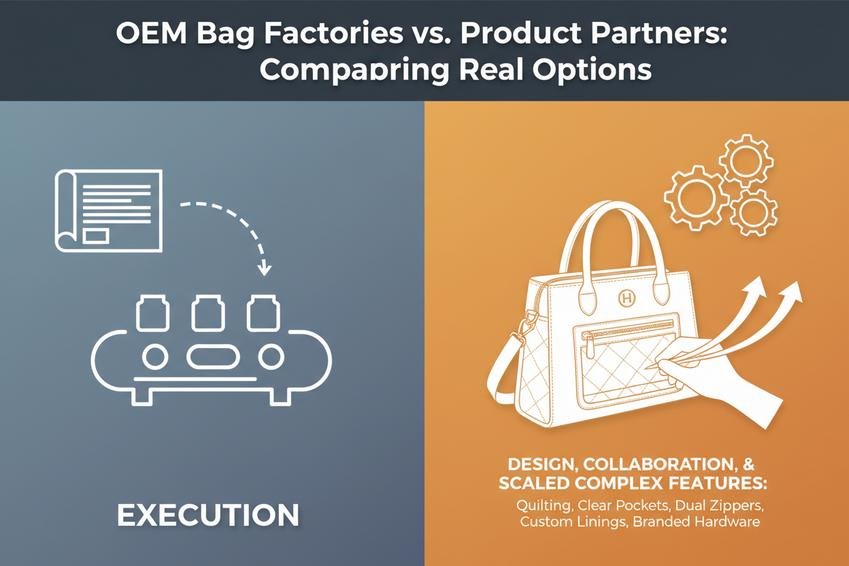
Instead of listing random brand names with no context, it’s more useful to compare supplier types—because that’s what drives MOQ, sampling speed, and consistency.
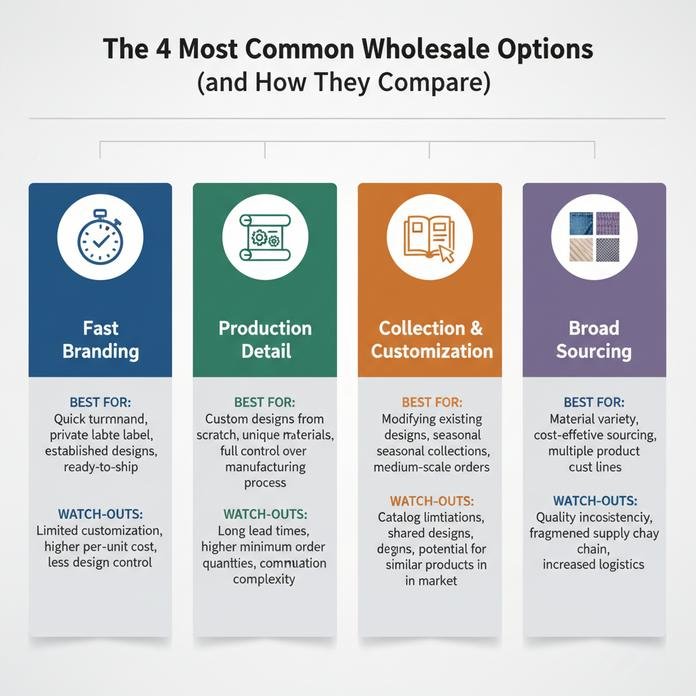
Option A: “Custom gift bag” vendors (fast branding, campaign-friendly)
Example positioning: ProGiftBox promotes custom “Tyvek”/DuPont-paper style bags with logo printing and a gifting/packaging focus.
Best for
- Short lead-time activations
- Simple logo projects
- Event giveaways that need “presentable” packaging
Watch-outs
Some offer broad customization claims; you still need to confirm screen print process color accuracy + handle reinforcement in samples.
Option B: Tyvek-focused manufacturers (lower MOQs, more production detail)
Example positioning: Initipacking markets itself as a Tyvek bag manufacturer, emphasizing customization, production capability, and practical performance.
Best for
- Buyers who want more control over specs (size, handle type, stitching, lining)
- Brands building repeat programs (quarterly kits, always-on retail packaging)
Watch-outs
If your tote is part of a cosmetic bags “set” experience, you’ll still need help aligning brand look + packaging constraints (hangtags, inserts, gift-box fit).
Option C: Tyvek tote wholesalers with a catalog + customization
Example positioning: Allwin-bags highlights Tyvek tote wholesale with flexible customization—colors, logos, sizes—supported by design assistance.
Best for
- Distributors, resellers, and buyers who want “pick-from-collection + customize”
- Mid-volume orders that need variety without full custom development
Watch-outs
Catalog-first suppliers may push standard structures; confirm whether they can adjust dimensions of a tote bag like bottom reinforcement, gusset depth, handle drop length.
Option D: Big “everything tote” factories (low MOQ marketing, mixed specialization)
Example positioning: Szoneier markets broad tote manufacturing with low MOQ and fast proofing (not Tyvek-specific in the snippet, but common in general tote sourcing).
Best for
- Testing shapes, sizes, and budgets across many materials
- Non-critical promo projects
Watch-outs
When you need a Tyvek-like tote to match premium cosmetic positioning, “general tote” factories can be hit-or-miss on material sourcing consistency and premium finishing.
3) The 6 Checks That Separate “Looks Good” From “Works for Cosmetics”
When a cosmetic brand uses a tote as packaging, the tote gets judged like a product—not like a bag. Here’s what I’d check (and what you can ask any supplier to prove):
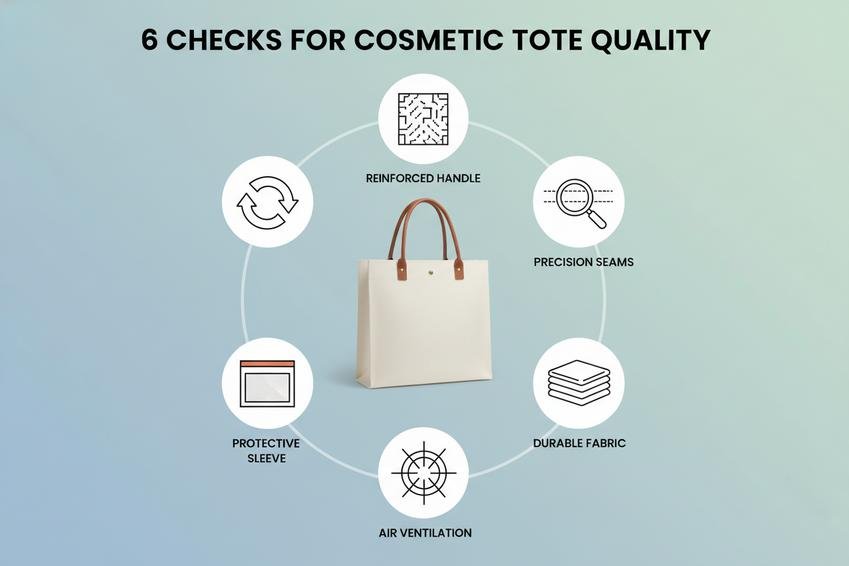
Check 1: Handle strength (the real stress point)
Ask for reinforced cross-stitching where handles meet the body and a “loaded carry” test (fill + carry for 10 minutes).
Check 2: Seam finish + edge binding
If the tote has gussets or a structured bottom, ask how seams are finished: raw edge vs. binding or double stitch vs. single stitch.
Check 3: Print clarity on Tyvek texture
Tyvek’s surface can show ink differently than smooth PU or coated canvas. Ask for a sample printed at final size and a rub test (dry cloth + light alcohol wipe test on a small corner).
Check 4: Crease behavior
Tyvek can wrinkle and crease depending on weight/finish. Ask for a fold test and “flatten back” test, and photos after folding + packing.
Check 5: Odor control + storage
Some plastics and coatings can smell if stored poorly. Ask what they do regarding ventilation time after production and packing method to avoid trapping odor.
Check 6: Packaging for transit scuffs
Tyvek can scuff visually during shipping. Ask for individual sleeves or paper interleaving for bulk cartons.
4) Where Topfeel Fits
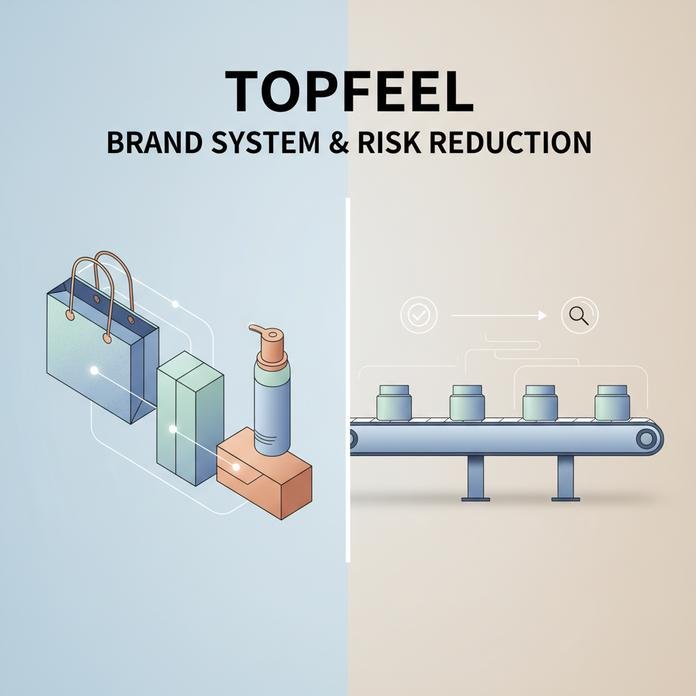
Topfeel’s advantage isn’t just “we can make a Tyvek tote.” It’s that they approach it like part of a cosmetic brand system—the tote has to match your brush bags, your box, your color palette, and the way customers actually carry products (gift set, subscription kit, retail checkout, travel repurchase).
That matters because a lot of wholesale suppliers can print a logo on a tote. Fewer suppliers help you decide where the logo should go so it reads cleanly in photos, how the handle drop should feel on the shoulder, and what structure prevents the tote from collapsing when it holds skincare bottles.
Second Topfeel angle (the “risk reducer”): when you’re running real campaigns, the most expensive problem isn’t unit price—it’s rework: wrong color, weak handles, or a “good sample / weak bulk” situation. A product-partner style workflow (clear sampling steps, locked specs, repeatable production checks) keeps the handbags consistent when you scale, which is exactly what cosmetics buyers care about when a bag becomes part of the brand experience.
5) A Practical Buying Workflow
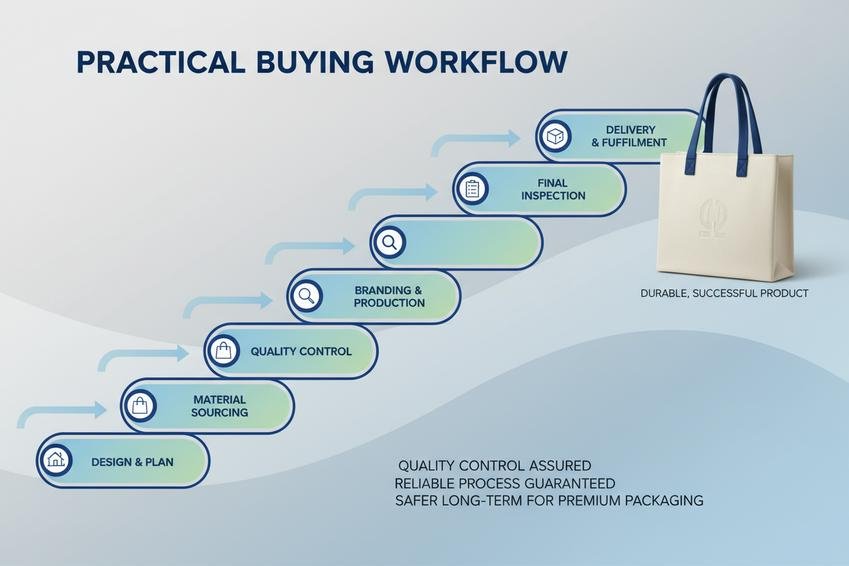
If you want fewer surprises, run the order like this:
- Define the job: Retail packaging? Event giveaway? Staff kit? Influencer mailer?
- Choose structure: Flat vs. gusset; long strap vs. short handle; open top vs. closure
- Lock the brand elements: Logo size, placement, color reference, print method
- Sample like you mean it: Not just “looks good”—test carry weight, folding, rub resistance
- Pre-production confirmation: Approve a pre-production sample that matches bulk specs
- Bulk packing rules: Protect against scuffs; carton drop test if shipping internationally
Final Take
If you’re running quick activations and want speed, a campaign/gift supplier route can work. If you want deeper spec control, Tyvek-focused manufacturers and Tyvek tote wholesalers offer more levers. But if your tote is meant to represent a beauty brand—matching packaging, improving perceived value, and surviving real customer use—Topfeel’s product-partner approach is the safer long-term play.
If you want, paste your target use case (event / retail / subscription), intended size, and logo style (1-color vs full-color), and I’ll turn it into a one-page RFQ checklist you can send to Topfeel and 2-3 competitor suppliers so you can compare quotes apples-to-apples.
References
- Reusable Bags made from DuPont™ Tyvek® – DuPont
- DuPont™ Tyvek® Protective Packaging – DuPont
- Tyvek Bags VS Washable Kraft Paper Bags – Yanxin Bag
- What Are the Best Materials for Reusable Bags – Yanxin Bag
- What is Tyvek? Properties, Uses, and Benefits Explained – Biben
- Tyvek: The Ultimate Protective Packaging – Rebul
- How to Printing on Tyvek: A Complete Guide to Techniques – INITI
- Tyvek® Graphics Printing and Converting Guide – DuPont
- Optimized Handling of DPTE-BetaBag® Tyvek – Getinge
- How to Clean and Maintain Tyvek Bags – Yanxin Bag
- Care Instructions for Tyvek Shopping Bags – TELFAR Help Center
- Characterizing and Modeling Crease Behavior in Tyvek – University of Colorado Boulder
- Essential Tips for Storing Your Luxury Bags – Lemon8-app


.png)



4th-5th Floor, Building B2, Yin Tian Industrial Park, Xi Xiang Road, Bao'an Dist, Shenzhen, 518102 ,China