
 English
  Korean
  French
  German
  Japanese
  Russian
 What Is Gsm In Cloth?
Ever squished a fabric between your fingers and thought, “Man, this feels flimsy,” or the opposite—“Whoa, that’s thick like a winter blanket”? That gut feeling? It has a name: GSM. So if you’ve been asking yourself what is GSM in cloth, you’re already halfway to understanding what separates cheap giveaways from bags that actually last.
The Kicker: Definition
Now here’s the kicker: GSM stands for grams per square meter, and it’s basically how much your fabric weighs. Lightweight cottons hover around 100 GSM—soft, breezy—but head into the 300+ club and you’re talking serious muscle. For custom cosmetic bags? You want it strong but still snazzy.

"Over 70% of buyers say material weight directly impacts their perception of product quality,"
— according to Textile Intelligence’s 2023 Fabric Preferences Report.
That number isn't just fluff—it reflects real-world customer expectations.
If you're sourcing bulk cosmetic bags for your brand or next promo push, brushing up on GSM could save you from wasted inventory and bad reviews. Buckle up—we're about to unpack why this tiny acronym packs such a big punch.
What Is GSM In Cloth? Understanding Basics
Let’s break down what GSM really means in fabric talk—it’s not as confusing as it sounds.
Defining GSM: Your Guide to Grams Per Square Meter

If you’ve ever wondered “what is gsm in cloth,” here’s the deal—it stands for grams per square meter, a metric used to measure fabric weight. Think of it like the fabric’s fingerprint.
- A low GSM—say around 100—means the material is thinner and lighter. You’d find this in breezy summer shirts.
- High GSM fabrics, like those at 300+, are dense and heavy—think hoodies or winter towels.
- It reflects how much fiber is packed into a square meter, which directly connects to its textile density.
But there’s more than just numbers:
- A fabric with higher measurement values often feels richer and lasts longer.
- Designers use GSM to predict how a garment will drape or move on your body.
- For manufacturers, it helps standardize product quality across batches.
So next time you’re shopping and see that tag? Now you know what those grams are whispering about your new tee.
The Importance of GSM in Textile Quality
GSM isn’t just some nerdy textile stat—it plays a real role in how good your clothes feel and last.
Higher GSM usually equals stronger threads that hold up better over time. Great for workwear or heavy-use items like bedsheets.
- Low-GSM = breathable but may wear out quicker.
- Mid-GSM = balanced comfort and resilience.
- High-GSM = warm, structured, long-lasting.
- Cotton shirts hover around 150–180 GSM.
- Premium denim might hit up to 400+.
- Towels? Often above 500 for that plush hotel feel.
Higher weight fabrics also tend to resist pilling better, maintaining their look even after multiple washes—a key sign of solid textile quality.
So yeah, when someone asks “what is gsm in cloth,” remember—it’s not just weight; it’s woven proof of durability baked into every thread.
How GSM Affects Fabric Feel and Durability
You can actually feel the difference when you touch two fabrics with different weights—and that feeling tells you a lot about both comfort and toughness.
Airy softness perfect for hot weather but might fray faster with frequent use.
The sweet spot between breathability and strength—ideal for everyday wearables like tees or leggings.
Stiffer at first, softens with washes and holds shape longer thanks to denser fiber structure.
What makes this interesting?
- Texture changes with weight; lower-GSM cotton feels smoother but less substantial.
- Higher-GSM blends often feel coarser at first but age beautifully over time.
- More weight generally equals longer lifespan—but also more warmth!
In short: when asking “what is gsm in cloth,” don’t stop at numbers—your skin will tell you everything about its true nature through how it feels day after day.
Common GSM Ranges For Popular Fabrics
Understanding fabric weight is key when figuring out what works best for specific uses. Let’s break down the common fabric weights and how they behave in real life.
The Lightweight Champion
- T-shirts made from lightweight cotton feel breezy, perfect for hot days.
- Linings in jackets often use this thin material to reduce bulk.
- Great for summer wear, especially when you want something breathable and sweat-friendly.
- Often used in scarves, handkerchiefs, or delicate pajama sets—anything that needs to be super soft on the skin.
- Because it's so light, it drapes well but doesn't offer much structure or warmth.
Insight:
If you've ever asked "what is gsm in cloth" while shopping online, this one pops up a lot—it’s the featherweight category.
A Balance of Durability and Comfort
This mid-range fabric hits that sweet spot between strength and coziness:
- Works great in polo shirts, where you need a bit more heft than a regular tee without going full sweatshirt.
- Used widely in casual wear, like joggers or long-sleeve tops that need to last but still breathe well.
You’ll also find it in:
- Light sweatshirts that don’t overheat you indoors;
- Mid-season jackets with just enough warmth;
- Premium-quality bed sheets designed to feel soft but not paper-thin.
Ever wondered "what is gsm in cloth" when comparing two hoodies online? If one says 200 and the other says 350—you now know which one’s better suited for spring evenings versus snowy hikes.

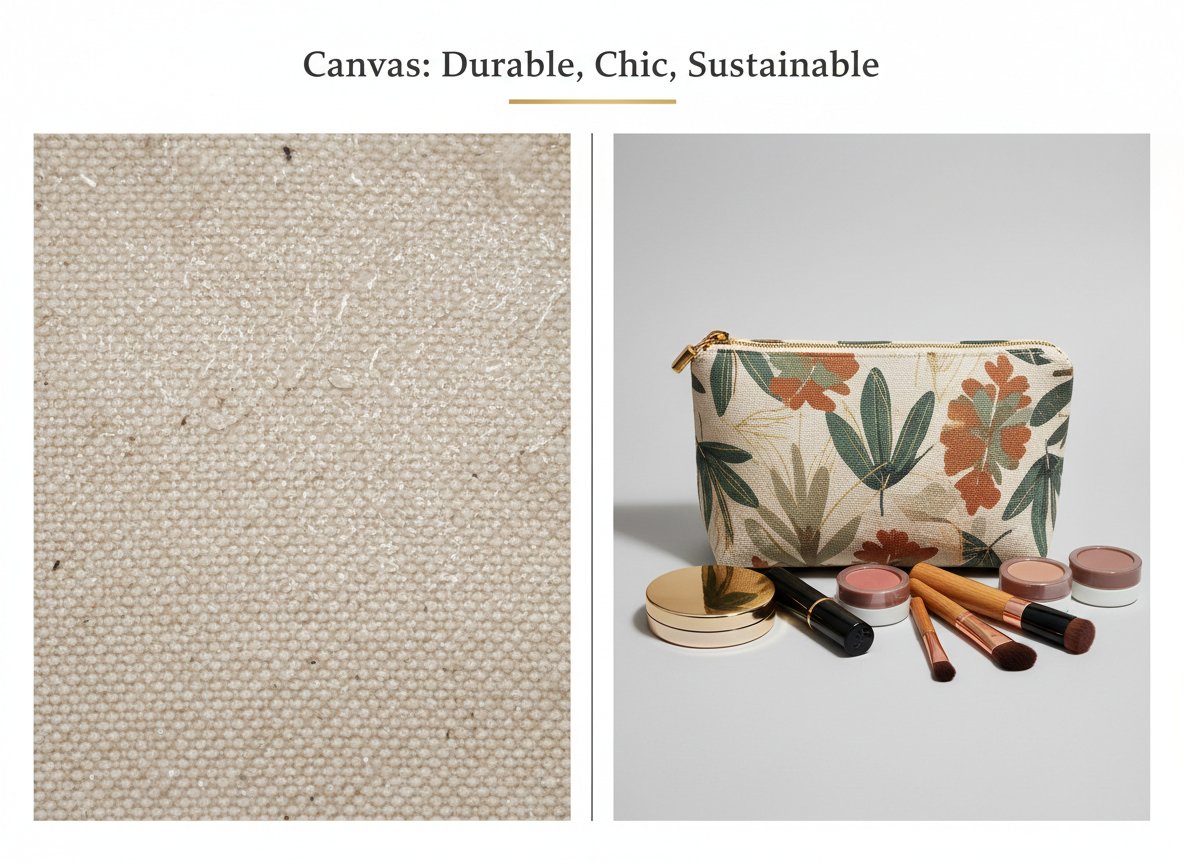
Figure: Heavy-duty canvas texture (300+ GSM)
Ideal for Robust Custom Bags
When fabrics hit the heavy-duty mark like this, they're built to take a beating:
- Most popular choice for making sturdy custom bags, especially when durability matters more than softness;
- Commonly found in thick canvas materials used for promotional totes or reusable grocery bags;
This weight class answers the question "what is gsm in cloth" from a performance angle—it’s about lasting power, not luxury.
What It Means for Luxury Fabrics
The higher you go on the GSM scale, the denser—and often fancier—the fabric feels.
- Think plush velvet curtains or thick wool blazers—they’re all about richness and presence;
- High-GSM materials are common across premium markets—from tailored coats to boutique-grade upholstery fabrics;
Short Scenarios
You sit on an upscale sofa wrapped in dense chenille—that's high-GSM at work.
Your winter coat feels like armor against wind—that's because its core layer probably exceeds 400+ grams per square meter.
Those blackout curtains blocking sunlight during your afternoon nap? Yep, likely high-GSM too.
So next time you're browsing home textiles and wonder "what is gsm in cloth", remember—higher numbers = heavier = more luxe vibes all around.
Why Choose Specific GSM For Your Custom Bags
Picking the right GSM isn’t just technical—it’s what makes your custom bag work like it should.
Customization Meets Functionality: The Right GSM Matters
- Customization isn’t only about colors and logos. It starts with choosing the proper GSM, which affects everything from how the bag feels to how long it lasts.
- A lower cloth weight might suit a promotional tote, while a higher one supports structured forms like backpacks or laptop sleeves.
- If you’re aiming for reusable bags that last longer, durability depends heavily on this single factor—material selection guided by proper GSM.
According to the Global Textile Performance Index Report Q2/2024, “Choosing GSM based on function first reduces returns and increases customer retention by up to 22%.”
Short version? Don’t just design—engineer your bag with purpose.

Lightweight vs. Heavyweight: Choosing GSM for Different Uses
Grouped by use-case, here’s how different GSM levels line up:
🧳 Heavy Duty (250–300+ GSM)
• Go heavy. Opt for fabrics above 250–300 GSM. They offer better fabric density, ensuring strength under pressure.
• Ideal for duffels and carry-ons that need shape retention.
🛍️ Lightweight (100–150 GSM)
• Stick around ~100–150 GSM. Light enough for bulk distribution but still durable enough not to feel cheap.
• Great for events, expos, and brand launches.
👟 Mid-Range (180–220 GSM)
• Mid-range at ~180–220 GSM hits the sweet spot between portability and load capacity.
• These bags strike a balance between being lightweight and having strong textile properties.
So yeah, one size doesn’t fit all—and neither does one fabric weight.
Cost Considerations: How GSM Impacts Your Budget
Let’s break down how changes in GSM, even slight ones, hit your wallet:
| Bag Type | Typical GSM Range | Avg Material Cost ($/sq.m) | Durability Rating (/10) |
|---|---|---|---|
| Promo Tote | 90–120 | $0.45 | 4 |
| Grocery Shopper | 180–220 | $0.75 | 7 |
| Structured Backpack | 280–320 | $1.10 | 9 |
Higher fabric weight means more raw material per unit—so yes, production gets pricier as you go up the scale.
But here’s the kicker: investing in higher-GSM materials often reduces replacement rates over time.
In short? Spending more now might save you later on both reorders and reputation damage due to wear-and-tear complaints.
And if you're wondering what is gsm in cloth really? It's not just grams per square meter—it’s your budget's best friend or worst enemy depending on how smartly you choose it.
Key Factors That Determine GSM In Fabric
Understanding what is GSM in cloth means digging into what makes fabric heavier, lighter, or just right. Here’s what really drives those numbers.
Material Composition: How Fabrics Influence GSM
The type of material used plays a huge role in the final fabric weight. Just switching from cotton to polyester can shift the whole game.
Cotton, silk, or polyester affects how much air and moisture the fabric holds.
Higher yarn count usually means finer threads—lighter fabrics with lower GSM.
A mix of fibers? The blend ratios determine whether it feels plush or paper-thin.
Denser raw materials lead to a naturally higher material density, which bumps up the GSM.
Lightweight fabrics (like chiffon) often clock in under 100 GSM; denims can shoot past 300 easily. So next time someone asks you “what is gsm in cloth,” remember—it’s not just weight; it’s how that weight gets built right into the fiber.
Weaving Techniques and Their Effect on GSM
GSM doesn’t just depend on what goes into the yarn—how it’s woven changes everything. Some techniques trap more air; others pack threads tight as bricks.
A tighter weave pattern increases thread overlap, raising both durability and weight. Meanwhile, looser knits stretch more but weigh less. Want high-GSM fabrics for upholstery? Go for sturdy fabric construction with high stitch density and short loop length.

| Weave Pattern | Stitch Density | Fabric Construction | Typical GSM Range |
|---|---|---|---|
| Plain Weave | Medium | Balanced | 120–180 |
| Twill Weave | High | Diagonal Ridges | 180–280 |
| Satin Weave | Low | Smooth Surface | 80–150 |
| Interlock Knit | Very High | Double-Faced | 200–300 |
Environmental Factors: How Conditions Impact GSM Measurement
Even if your cloth starts at a specific weight, things like humidity can mess with its actual feel—and even mess up lab results.
“According to SGS Textile Labs (2024), uncontrolled testing environments can introduce up to ±5% error in recorded fabric weights.”
High humidity levels make natural fibers absorb water—raising their measured weight artificially. Moisture content matters—especially for hygroscopic materials like wool—which may skew results unless dried before weighing.
Extreme temperature shifts cause expansion or shrinkage, altering density slightly during tests. If you're comparing swatches at home versus factory specs? Don’t be surprised if they don’t match perfectly—your living room isn’t a certified test lab!
To get accurate readings of what is gsm in cloth, labs must maintain consistent standard conditions, including calibrated scales and stable room climate settings.
FAQs about What Is GSM in Cloth
- Yes—200 GSM hits that sweet spot between softness and strength.
- It’s flexible but doesn’t feel flimsy in your hands.
- Perfect for mid-range products: not too delicate, not overly rigid.
This weight also takes printing well without distorting logos or designs.
- Lighter materials (around 100–150 GSM) are great for collapsible pouches or eco-conscious freebies.
- Heavier options (250–350+ GSM) suit structured organizers meant to impress at retail counters.
Mixing weights lets you cater to budget shoppers and premium buyers under one brand umbrella—with each version telling its own story through touch alone.
References


.png)



4th-5th Floor, Building B2, Yin Tian Industrial Park, Xi Xiang Road, Bao'an Dist, Shenzhen, 518102 ,China