
 English
  Korean
  French
  German
  Japanese
  Russian
Rucksack Define: The Ultimate Meaning & Guide
Ever typed “rucksack define” into the search bar and thought, “Wait, isn’t that just a backpack with an accent?” You’re not alone. But here’s the kicker: rucksacks aren’t just bags—they’re stories stitched in canvas, design choices carved by purpose. And if you’re in the biz of custom cosmetic bags? That same flair for function meets fashion is what your customers crave.
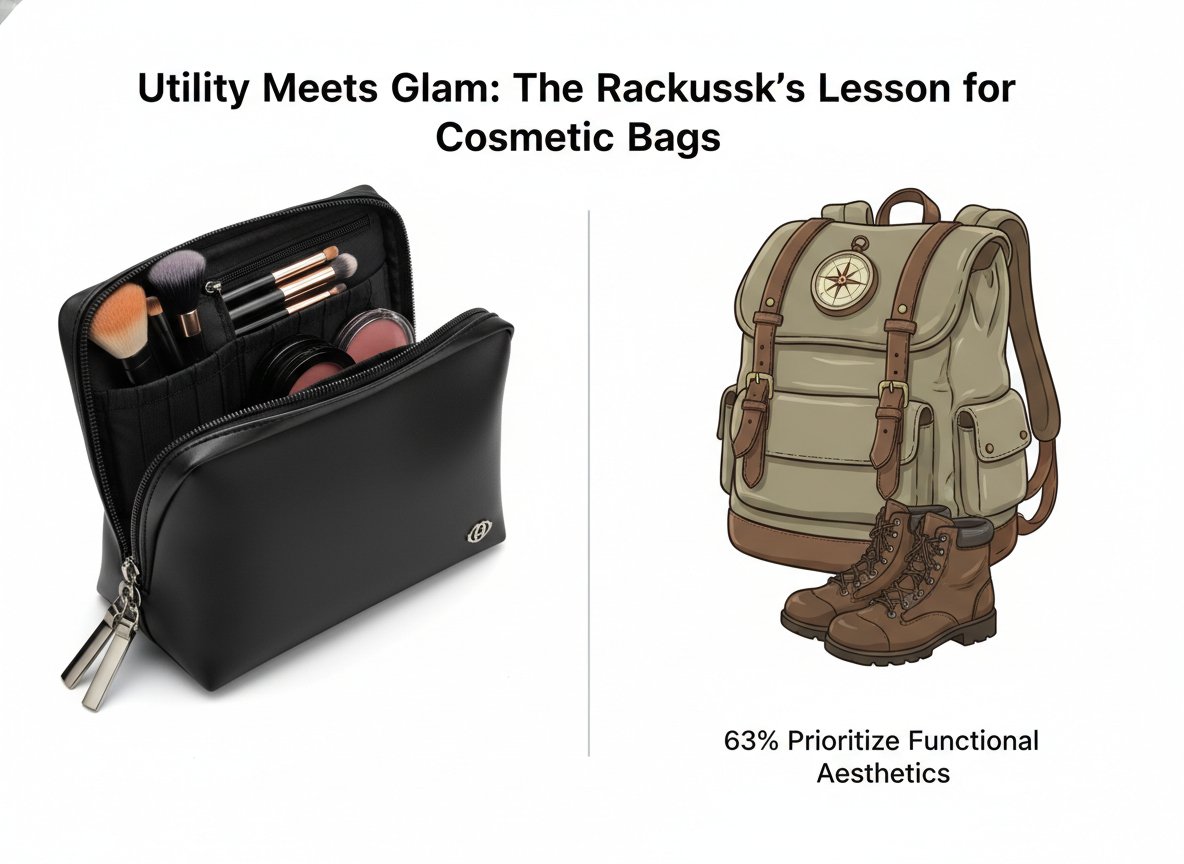
Think about it—people want their stuff smartly packed, easily grabbed, and stylishly carried. From hikers to makeup artists on-the-go, bag buyers are screaming for utility without sacrificing cool points. According to 2024 buyer behavior data from Allied Market Research, over 63% of bulk purchasers now prioritize “functional aesthetics” when sourcing travel-sized accessory bags.
As Cheryl Lin from Topfeel’s product team puts it: “The best bag designs solve problems before users notice them.” A rucksack taught us that—and this guide? It’s where we pass that wisdom along.
Key Points in Motion: Rucksack Define Essentials for Every Journey
➔ Definition & Origin: A rucksack is more than just a backpack—it’s a utility-born design with military roots, now evolved into a staple for modern explorers and creators alike.
➔ Core Components: From adjustable shoulder straps to padded back panels, every part of the rucksack plays a role in comfort and functionality.
➔ Smart Features: Weather-resistant materials, ergonomic padding, and modular compartments define today’s high-performance rucksacks.
➔ Packing Strategy: Efficient packing involves maximizing space, balancing weight distribution, and keeping essentials within easy reach.
➔ Buyer Behavior Insight: Over 63% of bulk buyers now prioritize “functional aesthetics,” making versatile yet stylish design non-negotiable in competitive markets.
Rucksack Define: The Ultimate Guide For Beginners
Getting your head around what makes a solid rucksack? You’re in the right place—this guide breaks it down without the fluff.

The History and Evolution of Rucksacks
The story of the rucksack define journey starts way back when carrying stuff meant strapping it to your back with rope and hope. Over time, things got smarter.
- Early designs were mostly canvas sacks with leather straps—military packs from the 19th century led the charge.
- Post-WWI, soldiers kept their gear-packed habits, influencing civilian backpack trends.
- By the 1970s, hikers demanded better materials; enter nylon and ergonomic frames.
- Fast-forward to now: hybrid models blend tech fabrics with urban style for daily use.
“According to Outdoor Industry Association‘s 2024 Gear Trends Report, functional heritage designs are resurging among Gen Z consumers seeking authenticity in utility gear.”
From battlefield to boardwalk, the rucksack has come a long way—and it’s still evolving.
Rucksack Components: What You Need to Know
A good pack isn’t just a sack—it’s an engineered tool. Here’s what makes one tick:
- Straps & Padding: Look for adjustable shoulder straps, padded hip belts, and sternum clips for load balance.
- Frame Types: Internal frame packs hug your body; external ones carry heavier loads but are bulkier.
- Storage Smarts:
- Multiple zippered compartments
- Mesh side pockets
- Top-loading vs panel access
- Hardware check:
- Rugged zippers
- Durable plastic or aluminum buckles
- Material matters:
- Ripstop nylon resists tearing
- Waterproof coatings keep contents dry
Every piece serves a purpose—comfort, durability, or ease of access. Knowing your pack’s anatomy helps you make smarter choices when you’re out shopping or packing up.
Choosing the Right Rucksack for Your Needs
Not all backpacks are created equal—what fits one person might wreck another’s shoulders.
• Match by activity:
• Day hikes? Go light—under 25L in capacity • Multi-day treks? Think 50L+
• Fit is king:
• Torso length over height matters more than you’d think
• Padded hip belts help shift weight off shoulders
• Key features checklist:
• Rain cover included?
• Durability vs cost:
• Budget-friendly options may skimp on stitching or cheapen materials
• Comfort trumps looks—always test how it feels loaded
Whether it’s a weekend hike or a cross-country trek, choosing based on your real-world needs—not just aesthetics—is how you land that perfect-fit ruck companion.
And yes—the term “rucksack define” might sound textbook-ish at first glance… but once you’ve felt that perfectly balanced load hugging your back like it was built just for you? It clicks.
Five Essential Features Every Rucksack Must Define
Getting a rucksack right means knowing what really matters—space, comfort, toughness, flexibility, and weather protection.

Capacity: How Much Space Do You Really Need?
- 30–40 liters works well for day hikes or quick overnight stays.
- 50–65 liters is ideal for multi-day trips with more gear.
- Look for smart compartments that separate wet/dry items.
- A large main pocket plus side and front stash zones help organize your packing.
- Compression straps keep unused space from flopping around.
- Choose a size based on your torso length—not just volume specs.
- Don’t forget hydration sleeves or laptop compartments depending on your activity.
When you’re figuring out how to let a rucksack define your adventure, start with the right amount of storage. Too much space? You’ll overpack. Too little? You’ll regret it by mile two.
Comfort: Importance of Straps and Padding
✓ Adjustable shoulder straps are non-negotiable—get that fit dialed in tight.
✓ A ventilated mesh back panel keeps sweat off your shirt and backache at bay.
✓ Thick, breathable padding along the lumbar area helps distribute weight evenly.
• Ergonomic hip belts should hug—not squeeze—your hips.
• Sternum straps keep everything centered when you’re moving fast or climbing steep trails.
With all that weight hanging on you for hours, comfort isn’t a luxury—it’s survival. The best packs balance load using clever design tricks like curved frames and suspended mesh panels.
Durability: Materials That Last Under Stress
A good rucksack should take hits like a champ—gravel scrapes, airport tosses, stormy treks through thick brush. Brands that use reinforced ripstop nylon, high-denier polyester, or hybrid weaves deliver stronger resistance against tears and abrasion than standard fabrics.
According to Allied Market Research’s 2024 Outdoor Gear Report, over 68% of consumers now prioritize material strength over brand name when choosing travel packs—a shift driven by rising costs and longer-lasting gear expectations post-pandemic.
The stitching counts too; double-bar tacks at stress points mean fewer blowouts mid-trip. If you’re serious about letting your rucksack define reliability, don’t skimp here.
Versatility: Rucksacks for Every Activity
Step 1 – Pick a base purpose (hiking? commuting? urban exploring?). This anchors your core features list.
Step 2 – Look for crossover functionality like laptop sleeves that double as hydration pouches or removable waist belts that switch from trail mode to city-ready style.
Step 3 – Modular add-ons matter more than you think; MOLLE webbing can turn one pack into many setups fast.
Step 4 – Check compatibility with other gear you own—bike lights, camera cubes, power banks—and how easily they attach without extra bulk.
Letting a rucksack define versatility means it adapts as fast as your plans do—from Monday meetings to Saturday summits without missing a beat.
Weather Resistance: Why It Matters for Your Gear
• Built-in rain covers are lifesavers when storms hit unexpectedly mid-hike.
• Durable Water Repellent (DWR coating) lets light drizzle bead off instead of soaking through fabric pores.
✓ Taped seams prevent moisture leaks at stitch lines—a small feature with big impact during downpours.
✓ Waterproof zippers keep electronics dry without needing extra cases or bags inside the pack itself.
If you’re caught in sideways rain halfway up a ridge—or just sprinting across campus during monsoon season—weatherproofing isn’t optional anymore. Letting the rucksack define protection means expecting the unexpected—and staying dry while doing it.
Topfeel’s latest line nails all five essentials while keeping things sleek enough for daily carry but tough enough for alpine routes too—no compromises necessary when you pick smart from the start.
Rucksack Define: Tips For Packing Efficiently
Smart packing can make or break your trip. Get the most out of your bag with these battle-tested techniques.

Packing Techniques for Maximum Space Utilization
- Rolling clothes instead of folding saves space and reduces wrinkles.
- Use compression sacks to shrink bulky items like jackets and sleeping bags.
- Stuff socks into shoes to eliminate dead air pockets.
- Apply the tetris method—fit everything like a puzzle, filling gaps tightly.
- Vacuum-seal off-season gear using vacuum bags, especially helpful for winter trips.
- Keep heavier rolled items at the bottom; lighter ones stack neatly on top.
Short-term travelers often underestimate how much fits when you master space optimization. Knowing how to pack a rucksack efficiently starts with understanding how every inch counts.
Organizing Your Gear: Keeping Essentials Accessible
- Place daily-use items in outer pockets—think sunscreen, snacks, or a small towel.
- Store navigation tools like maps, GPS devices, and compasses in top compartments.
- Designate one small internal pouch for your first-aid kit—easy grab if things go sideways.
- Use color-coded stuff sacks or zip pouches to group similar gear types together.
A well-organized bag means less rummaging around when you’re tired, wet, or both. Whether it’s a weekend hike or a cross-country trek, smart layout keeps your rhythm smooth.
Weight Distribution: Carrying Comfortably on Your Back
• Place the heaviest gear close to your spine and centered between shoulder blades—this aligns with your natural center of gravity.
• Use the padded hip belt to shift weight from shoulders to hips, reducing fatigue big time.
• Adjust those upper straps called load lifters, so the pack hugs you snug without slumping backward.
According to 2024 data from Outdoor Industry Compass, improper load distribution is still among the top three causes of back strain during multi-day hikes. Smart design plus good habits = happy trails.
Adapting Your Packing Style for Different Adventures
Trip type changes everything:
— For alpine treks in cold climates, prioritize warm layers and waterproofs; use extra dry sacks based on snow exposure levels.
— On tropical hikes? Lightweight clothing rules; stash insect repellent and hydration tools where they’re easy to reach during movement.
— For desert terrain, factor dust management into packing—zippered covers help shield electronics from sand damage.
Always consider your destination’s climate and demands before cramming that ruck full of gear—you’ll thank yourself later when you’re not digging through chaos looking for sunscreen under rain pants.
No matter where you’re headed or what kind of adventure awaits, Topfeel packs are built tough enough—and smart enough—to keep up without weighing you down too hard on the trail.
FAQs about Rucksack Define
What does “rucksack define” mean when customizing cosmetic bags for bulk orders?
It’s all about borrowing the soul of a rucksack—the way it carries, protects, and organizes. When applied to cosmetic bags, this idea shapes everything from how compartments are arranged to how straps feel on your shoulder. The goal? Bags that don’t just hold beauty products but travel with you like trusted gear.
Which parts of a rucksack inspire the smartest features in custom cosmetic kits?
Not every feature makes sense—but some translate beautifully:
- Zippered pouches echo gear pockets
- Water-resistant linings guard against spills
- Compact structure keeps essentials upright and easy to grab
- These aren’t just design choices—they’re habits formed by adventurers now reimagined for daily routines.
Why is durability such a big deal in large-scale production?
Because no one wants their toiletry bag falling apart mid-trip or leaking shampoo onto clean clothes. Choosing tough fabrics—like ripstop nylon or reinforced polyester—means fewer returns, happier customers, and products that last longer than the trend they were designed around.
Can different sizes be offered like rucksacks vary by liters?
Absolutely—and it actually helps people choose what fits them best:
- Small (3–5L): perfect for gym days or quick getaways
- Medium (6–10L): ideal for weekend trips
- Large (11L+): built for makeup artists or long hauls
- This sizing system brings clarity where most brands offer confusion.
Do comfort features matter even if it’s “just” a cosmetic pouch with straps?
If someone’s carrying it across an airport terminal—or even down three city blocks—it matters. Padded handles stop digging into palms. Adjustable shoulder straps let users find their fit fast. And these little touches transform giveaways into favorites people actually use again and again.
How does understanding ‘rucksack define’ help connect with outdoor-loving audiences?
Think less glittery vanity case and more trail-ready companion—with style. Using tactical silhouettes, earthy tones, maybe even MOLLE loops nods toward adventure without losing elegance. For folks who hike at dawn then hit brunch at noon, this blend feels personal… not promotional.
References
- Buyer behavior – Allied Market Research
- Military roots – Wikipedia (Backpack)
- 19th century – Britannica (Backpack Technology)
- Ergonomic – OSHA (Ergonomics)
- Outdoor Industry Association – Outdoor Industry Association
- Gen Z consumers – Forbes
- External – REI (Backpacks Adjusting Fit)
- Ripstop nylon – Wikipedia (Ripstop)
- Torso length – REI (Backpacks Adjusting Fit)
- Hydration sleeve – CamelBak
- Lumbar – Cleveland Clinic
- Abrasion – ASTM International
- MOLLE – Wikipedia (MOLLE)
- DWR coating – REI (Rainwear DWR)
- Compression sacks – Sea to Summit
- Center of gravity – Princeton University (Outdoor Action)
- Outdoor Industry Compass – OIA.org



.png)



4th-5th Floor, Building B2, Yin Tian Industrial Park, Xi Xiang Road, Bao'an Dist, Shenzhen, 518102 ,China